

Winter Tires vs. All-Season Tires in Glassboro, NJ
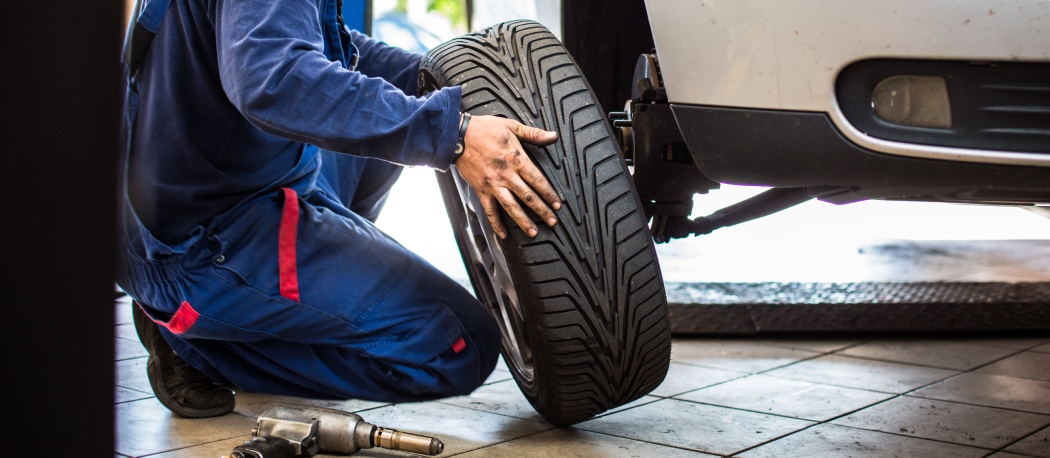
Choosing between winter tires and all-season tires is really a question of traction, temperature, driving habits, and how much confidence you want from your vehicle when roads change. All-season tires are designed to handle a broad range of conditions, including dry pavement, rain, and light winter driving, which makes them a practical choice for many daily commuters. Winter tires, however, use specialized rubber compounds and tread designs built to stay flexible in colder temperatures and bite into snow, slush, and icy surfaces more effectively. For drivers in Glassboro, NJ, that difference can matter on local routes such as Delsea Drive, Route 322, and neighborhood roads that may see a mix of wet pavement, cold mornings, and changing surface conditions. Matt Blatt Tire and Auto helps customers compare tire types based on vehicle needs, tread life, braking performance, ride comfort, and manufacturer recommendations. Tires are the direct connection between your vehicle and the road, so choosing the right set affects steering response, braking, fuel economy, and overall control. A tire that looks fine may still be wrong for your driving environment if the tread pattern, compound, or load rating does not match how and where you drive. Understanding the strengths of each tire category can help you make a safer, more informed decision before your current tires become a concern.
How Winter Tires and All-Season Tires Are Designed Differently
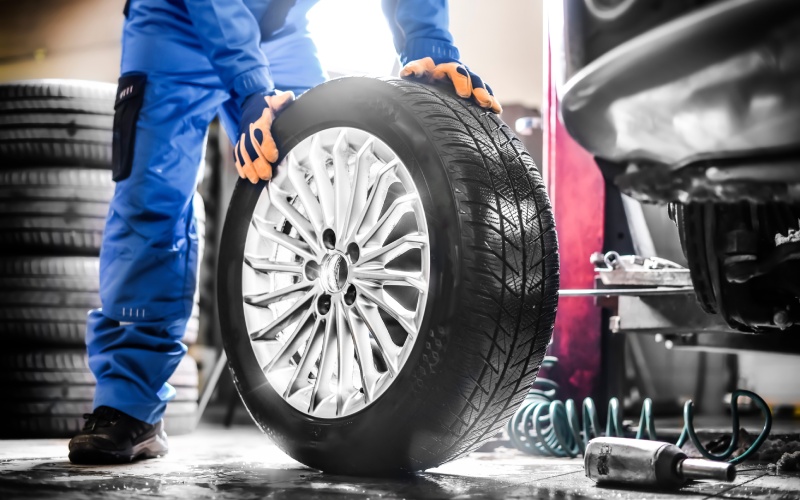
- Rubber compound: Winter tires remain more flexible in cold temperatures, while all-season tires are engineered to balance wear life, comfort, and traction across a wider temperature range.
- Tread pattern: Winter tires often feature deeper grooves, biting edges, and siping that help grip snow and slush, while all-season tires use versatile tread blocks for dry, wet, and light winter performance.
- Water and slush movement: Proper tire design helps move moisture away from the contact patch, supporting traction and reducing the risk of slipping during acceleration, steering, and braking.
- Ride and wear characteristics: All-season tires usually offer quieter everyday driving and longer tread life, while winter tires prioritize cold-weather grip over year-round durability.
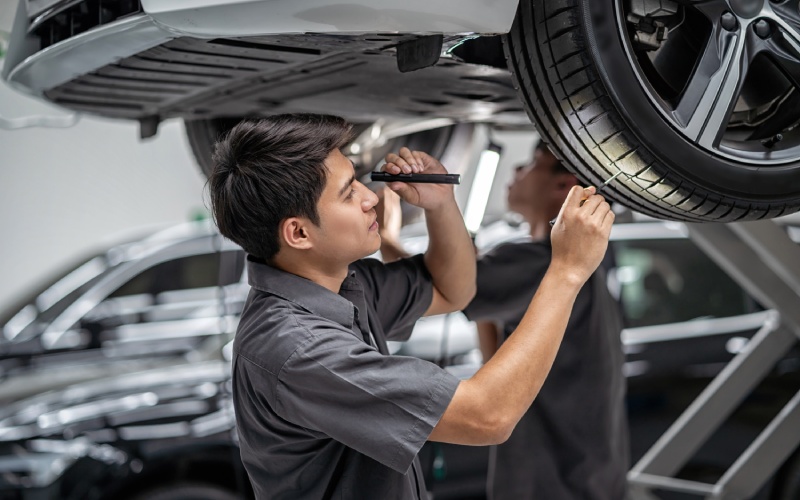
These design differences explain why one tire cannot be perfect for every condition. All-season tires are a strong fit for many vehicles that face moderate driving demands and do not regularly encounter packed snow or icy roads. Winter tires make more sense when low-temperature traction and shorter stopping distances become a priority. Tire pressure, tread depth, and alignment also play important roles because even the right tire can underperform if inflation is too low, the tread is worn unevenly, or the wheels are not properly aligned.
Which Tire Type Fits Local Driving Needs Best
The right choice depends on how your vehicle is used in Glassboro, NJ and nearby communities such as Sewell and Mullica Hill. If your driving is mostly local, your schedule is flexible, and your vehicle already has quality all-season tires with healthy tread depth, all-seasons may provide the balance you need. Many modern all-season tires are designed for wet-road stability, quiet highway travel, and dependable everyday handling. However, if you commute early, travel during storms, drive a vehicle with performance-oriented tires, or depend on consistent traction for work, school, or family transportation, winter tires may offer added assurance during colder months. Matt Blatt Tire and Auto carries an extensive selection of tires through TireTutor, including all-season, winter, performance, and premium brands for many cars, trucks, and SUVs. Our team can help interpret sidewall markings, match tire size and load requirements, and explain how tire construction affects ride quality and tread wear. Vehicle type matters, too. Front-wheel drive, rear-wheel drive, all-wheel drive, SUVs, and lifted trucks can respond differently to tire changes. The best tire is not just the one with the best label; it is the one that fits your vehicle, driving routine, maintenance habits, and expectations for braking and control.
Maintenance Factors That Affect Tire Performance
- Inflation pressure: Correct tire pressure supports even tread wear, better fuel economy, proper load carrying ability, and predictable handling.
- Rotation schedule: Regular rotations help reduce premature tire wear, especially on front-wheel drive vehicles and vehicles with heavier front-end loads.
- Wheel balance: Balancing can reduce vibration, improve ride comfort, and help limit uneven wear caused by weight differences around the tire and wheel assembly.
- Alignment condition: Camber, caster, and toe angles influence straight-line tracking, steering feel, and how evenly tires contact the road.
- Tread depth: Worn tread reduces the tire’s ability to channel water, grip loose surfaces, and maintain stability during braking or turning.
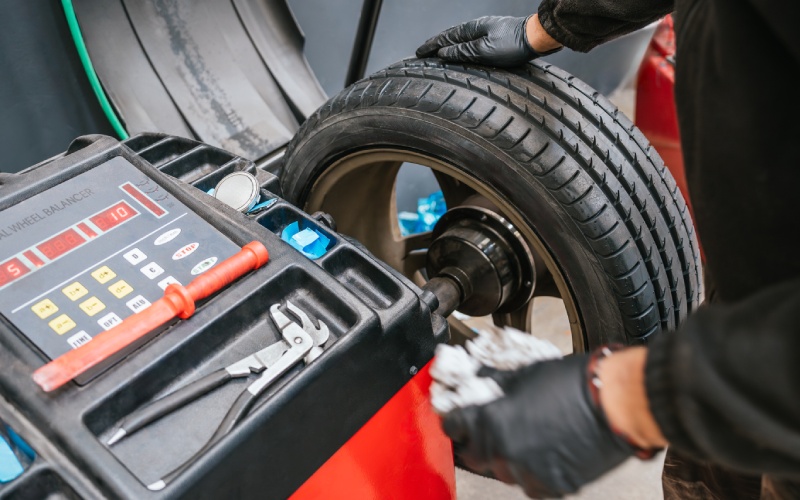
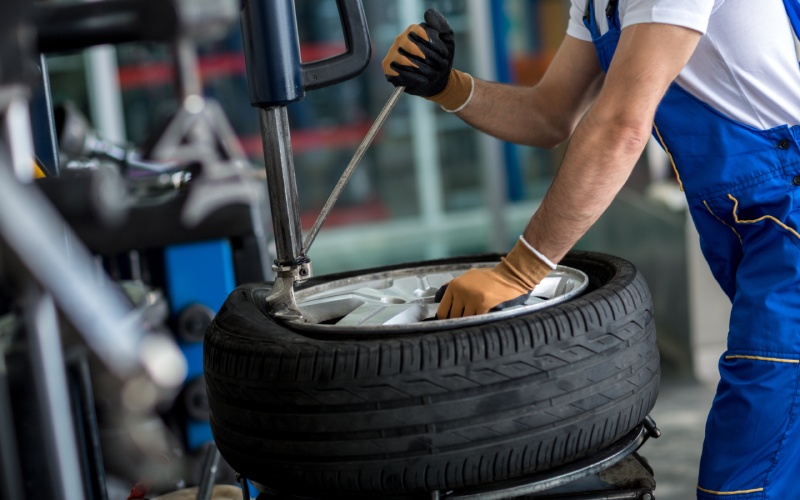
Maintenance can determine whether winter tires or all-season tires deliver the performance you expect. Poor inflation can lead to flexible sidewalls, quicker sidewall wear, extra rolling resistance, and reduced traction. Overinflation can cause excessive center tread wear and a harsher ride. Misalignment may create pulling, steering wheel vibration, or uneven tread patterns, and prolonged alignment problems can place added stress on suspension components. Because tires are part of the suspension system, tire condition can also reveal issues with shocks, struts, steering components, or wheel fitment. A professional inspection helps identify whether a tire issue can be solved with rotation, balancing, pressure correction, alignment, repair, or replacement.
FAQ: Winter Tires vs. All-Season Tires
Are winter tires only useful when snow is on the road?
No. Winter tires are designed for cold-weather traction, not only visible snow. Their rubber compound stays more flexible in lower temperatures, which can help with braking and steering on cold pavement, slush, packed snow, and icy patches.
Can all-season tires be used all year?
Yes, all-season tires are built for year-round use in many driving environments. They typically provide a balanced mix of dry grip, wet traction, ride comfort, tread life, and light winter capability, making them a practical option for many local drivers.
Do I need four winter tires or just two?
Four matching winter tires are recommended for balanced traction, braking, and stability. Installing only two can create uneven grip between the front and rear axles, which may affect control during turns or sudden stops.
How do I know when tires should be replaced?
Look for low tread depth, uneven wear, cracks, bulges, vibration, frequent pressure loss, or reduced traction. A professional tire inspection can confirm whether rotation, balancing, alignment, repair, or replacement is the safest next step.
Schedule Tire Help With Confidence
Winter tires and all-season tires both have a valuable purpose, and the best choice comes down to matching tire capability with your real driving needs. If you value longer tread life, quiet operation, and balanced everyday performance, all-season tires may be the right fit. If you want stronger cold-weather grip and added control when road surfaces become challenging, winter tires deserve serious consideration. Matt Blatt Tire and Auto has served the local automotive market for more than 32 years as a tire, wheel, and repair center, and our AAA-Approved Auto Repair Facility services vehicles of all makes and models. Our team can help compare tire options, inspect tread wear, check inflation, review alignment concerns, and recommend maintenance that supports better mileage and longer tire life. We also provide related services such as tire rotation, balancing, wheel alignment, preventive maintenance, steering and suspension system care, brake repair, and more. If you are comparing winter tires and all-season tires in Glassboro, NJ, schedule service with our team and get guidance grounded in your vehicle, your driving habits, and the roads you travel most. Let us help you choose tires that support comfort, control, and confidence every mile.
