

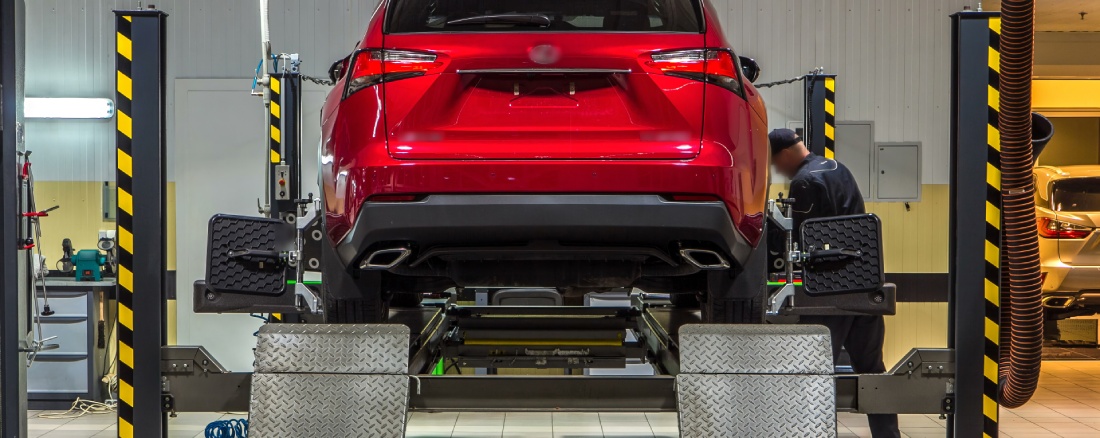
Wheel Alignment Fundamentals for Handling and Traction near Clayton, NJ
Wheel alignment is the quiet hero of a smooth, predictable drive. When angles at each wheel are precisely set, your tires track straight, your steering feels centered, and your suspension is free to do its job. Around Delsea Drive, Coles Mill Road, and the nearby Route 55 corridors, it only takes a curb clip, a surprise pothole, or a hard brake-and-turn to nudge settings out of spec. That small shift can snowball into rapid tire wear, a drifting steering wheel, or a subtle vibration that turns long trips into tiring ones. As an AAA-Approved Auto Repair Facility and member of the Goodyear Tire & Service Network, we bring specialized training, modern alignment equipment, and over three decades of experience to every vehicle—domestic, import, lifted, or lowered. At Matt Blatt Tire and Auto, we measure first, inspect related components, make precise adjustments, and road-test to confirm the result. The goal is simple: restore true geometry so your car points exactly where you intend. If you’re noticing a pull, uneven tread, or a steering wheel that sits off-center on the straightaway near Clayton, NJ, an alignment check is one of the smartest, most cost-effective services/wheel-alignment you can schedule. It protects tire investment, supports fuel economy, and keeps your safety systems working in harmony.
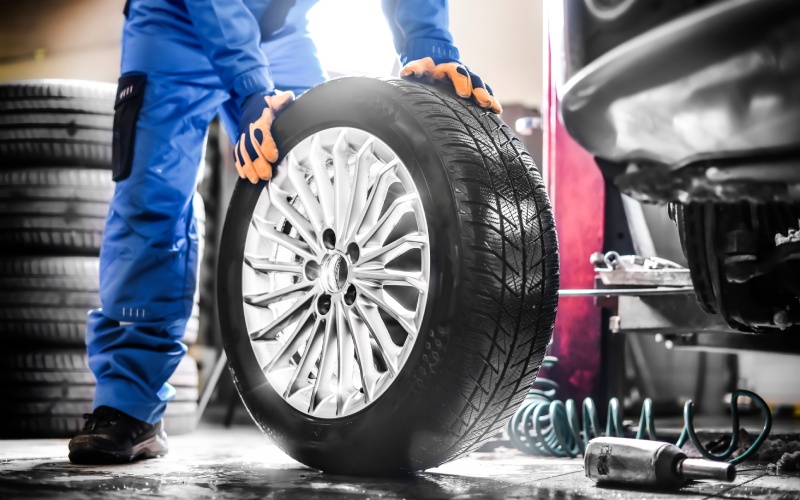
How Wheel Alignment Works: The Angles That Matter
- Camber: The inward or outward tilt of the wheel when viewed from the front; affects shoulder wear and cornering grip.
- Caster: The forward or rearward tilt of the steering axis; influences straight-line stability and steering wheel return-to-center.
- Toe: The inward or outward direction the tires point when viewed from above; the biggest driver of rapid tire wear.
- Thrust line: The path your rear wheels naturally follow; misalignment can cause a crooked steering wheel and diagonal wear.
- Steering axis inclination (SAI): A measured angle that helps diagnose bent components; not typically adjusted but crucial for accuracy.
- Ride height: The baseline that alignment geometry depends on; sagging springs change angles even before adjustments begin.

Our four-wheel alignment service starts with a full suspension and steering inspection, then moves to precise digital measurements of all angles—and where applicable, manufacturer-specified targets for your vehicle’s weight, wheels, and options. We adjust front and rear settings as designed, verify that tie-rod ends, control arm bushings, and ball joints are tight, and correct the steering angle sensor on vehicles that require it. You leave with confidence backed by data—before-and-after readings that show your vehicle is back in spec. Paired with proper tire inflation and rotation, this alignment foundation helps your car track straight, respond predictably, and wear evenly mile after mile.
When To Schedule An Alignment And Why It Pays Off
Misalignment can be sneaky at first, but the signs add up. If your steering wheel isn’t centered on straight roads, your vehicle drifts without input, or you see inner or outer shoulder wear, it’s time to schedule a check. After impacts—like a hard encounter with a pothole on Delsea Drive or a sharp edge near county intersections—alignment should be verified. It is also essential any time you install new tires, replace steering or suspension parts, or notice a new vibration after a tire rotation or balance. Many drivers benefit from a proactive alignment every 12 months or 12,000 miles, especially with frequent stop-and-go trips, construction zones, and patched asphalt common to our local routes. The return on investment is straightforward: true geometry reduces rolling resistance, maximizes tire life, and supports safety features that assume your wheels are pointing exactly where your sensors expect. At Matt Blatt Tire and Auto, we combine precise measurements with a practical, on-road perspective—if your vehicle doesn’t track straight on the test drive, we keep refining. The result is predictable handling in crosswinds, steady highway manners, and even tread wear patterns that help your tires age gracefully rather than fail prematurely.
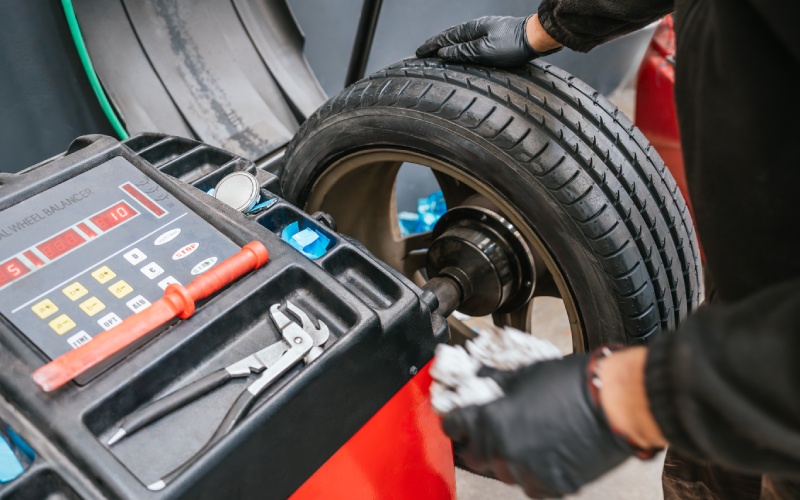
Alignment, Tires, And Suspension: How Everything Works Together
- Tires: Alignment preserves the full contact patch; pairing it with rotations keeps wear patterns even across all four corners.
- Shocks and struts: Worn dampers allow wheel hop and camber change under load, accelerating cupping and shoulder wear.
- Ball joints and control arms: Play here makes angles inconsistent, so precise adjustment won’t hold until components are tight.
- Tie-rod ends: These set toe; any looseness translates directly into rapid, saw-tooth tread wear and vague steering.
- Wheel bearings: Excessive hub play mimics misalignment; it must be corrected to achieve repeatable readings.
- Wheels and balancing: Bent rims or poor balance cause vibration—different from alignment—yet both issues often appear together.
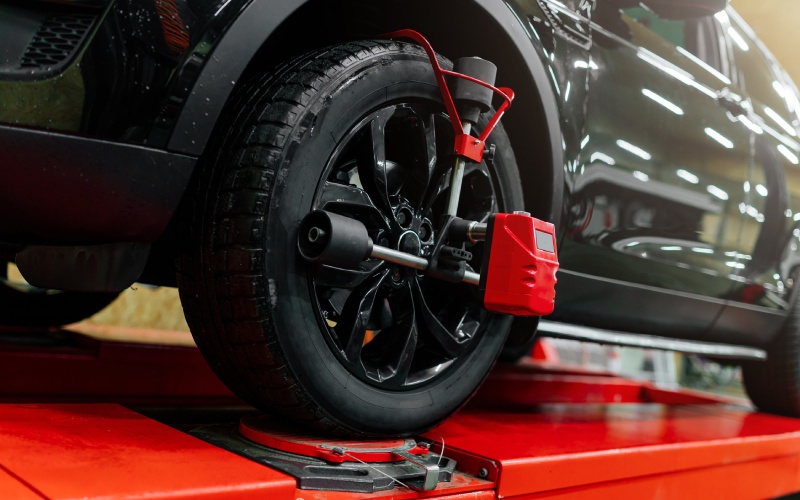
Alignment is the geometry; your suspension supplies the stability; your tires tell the truth about how well both are working. That’s why we start with an inspection and correct underlying issues before fine-tuning angles. Many modern vehicles benefit from a true four-wheel alignment, which references the rear to set the front straight ahead. If your vehicle allows adjustments only up front, we still measure all corners to confirm nothing at the rear is pushing the car off course. For vehicles with lift kits or lowering springs, we evaluate available adjustments, recommend corrective hardware when appropriate, and set angles to realistic targets that respect your use case. This systems-first approach delivers a result you can feel on the first mile—and thousands after.
FAQ
How often should I get a wheel alignment?
A yearly check is a smart baseline, or sooner after new tires, suspension work, or a significant impact. High-mileage and mixed-surface driving may warrant more frequent checks.
What are the most common signs I need alignment?
Off-center steering wheel, pulling to one side, uneven or rapid shoulder wear, and a light shake that appears after a rotation or tire replacement are common clues.
Do I need a four-wheel alignment?
Most modern vehicles benefit from four-wheel alignment. Even if the rear isn’t adjustable, accurate front settings depend on knowing where the rear wheels are pointing.
Will alignment fix a steering vibration?
Vibration is often balance, bent wheels, or worn parts. Alignment corrects drift and wear patterns; we inspect related components to resolve the whole issue.
How long does a professional alignment take?
Plan for about an hour, plus time to address worn parts or seized adjusters if we find them during inspection.
Can alignment impact fuel economy?
Yes. Excess toe or camber increases rolling resistance, making the engine work harder. Correct geometry helps maintain efficient, low-drag tracking.
Drive Straight, Stop Sooner, Wear Evenly — Schedule Today
True alignment is a foundation for everything you feel behind the wheel: confident turn-in on neighborhood streets, a steady lane hold on Route 55, and quiet, even tire wear on longer drives near Clayton, NJ. Our AAA-Approved team uses modern equipment, verified specifications, and a complete inspection to ensure the results last. We work on all makes and models, and our Goodyear Tire & Service Network membership underscores our commitment to industry-leading standards and training. At Matt Blatt Tire and Auto, we set expectations clearly, explain findings in plain language, and back our work with the same care we’d give our own vehicles. If you’ve noticed a pull, feathered edges on your tread, or a steering wheel that isn’t centered, don’t wait for the wear to accelerate. Bring your car for a comprehensive alignment evaluation, and we’ll help you leave with a vehicle that tracks straight, steers true, and protects your tire investment. Ready for a better drive near Clayton, NJ? Schedule your alignment and feel the difference on your very next trip.
