

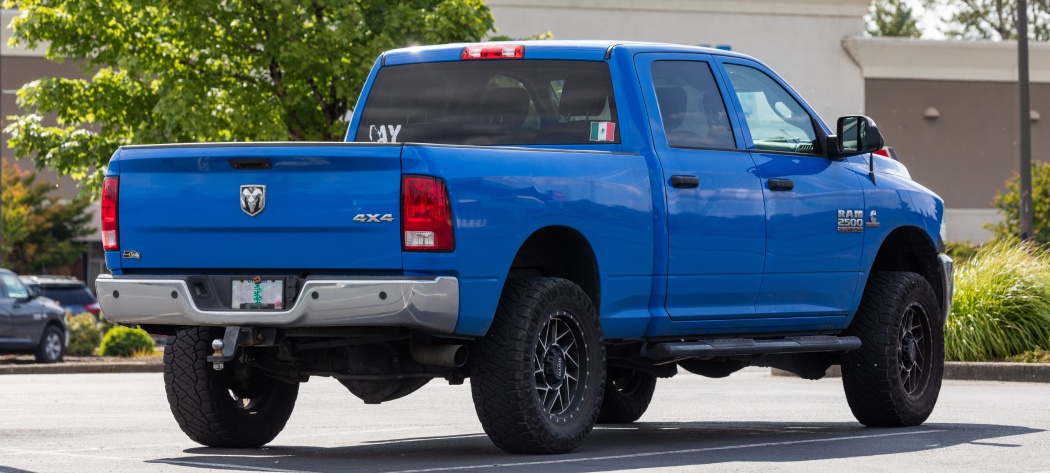
Suspension Lift Kits vs Body Lift Kits for Trucks and Jeeps — Smart Choices and Pro Setup near Deptford, NJ
Thinking about lifting your truck or Jeep? Understanding the difference between suspension lift kits and body lift kits is the smartest place to start. Suspension lifts raise the chassis by replacing or modifying key suspension components, while body lifts space the body higher off the frame without touching the suspension geometry. Each path influences your ground clearance, tire fitment, ride quality, and long-term service needs in distinct ways. At Matt Blatt Tire and Auto, our ASE-certified team helps drivers map upgrades to real-world goals—whether that means extra clearance for trail ruts and sand, or a confident stance that still rides comfortably on the daily commute. With over 30 years of experience as a AAA-Approved Auto Repair Facility and proud member of the Goodyear Tire & Service Network, our shop brings the diagnostic tools, alignment equipment, and practical know-how that protect handling, tire life, and safety. Around South Jersey’s mix of Delsea Drive traffic, Route 55 runs, and Pinelands sand roads, a well-chosen lift can do more than turn heads—it can add capability without compromise. Use this guide to compare options, plan supporting upgrades, and anticipate post-install steps like alignment and calibration. Ready to fine-tune your build near Deptford, NJ? Let’s dive in.
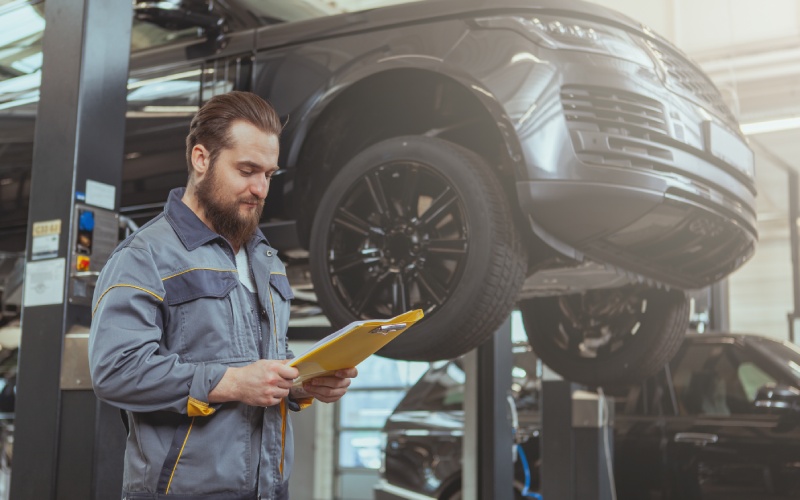
What a Suspension Lift Changes—and Why It Matters
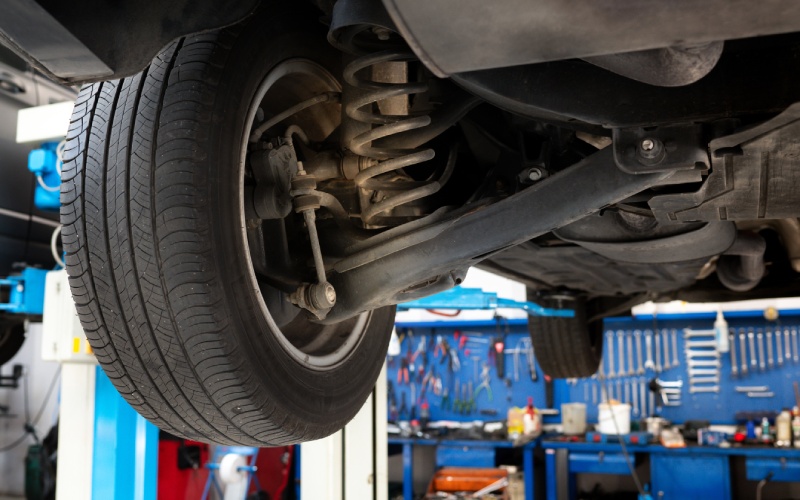
- Core components replaced: Springs, shocks/struts, control arms, leaf packs, and related hardware are upgraded to raise ride height and improve travel.
- Steering and alignment impact: Caster, camber, and toe change with height—an alignment and potential geometry correction parts are essential.
- Driveline angles: Lift height can affect U-joints and CVs; shims, carrier bearing drops, or longer driveshafts may be recommended.
- Brake line and sensor reach: Extended lines or brackets, plus wire harness and ABS sensor slack checks, preserve safety systems.
- Clearance and articulation: True chassis clearance improves breakover and departure, enabling larger, more aggressive tires.
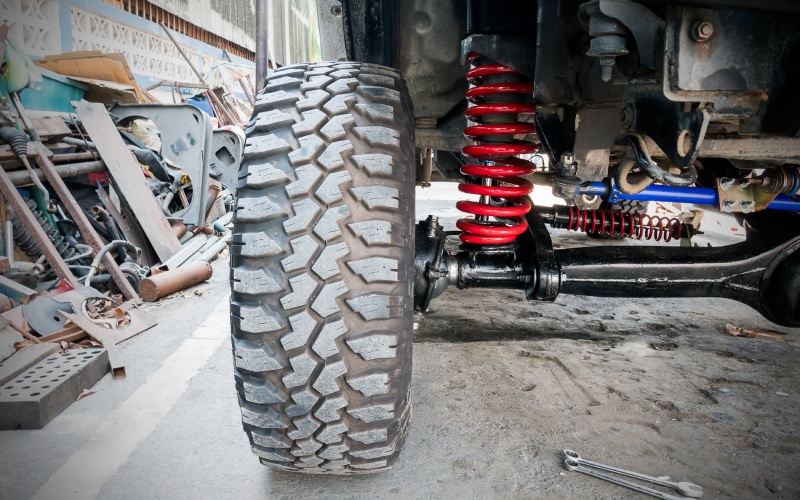
Because a suspension lift reshapes how the vehicle moves, the best results come from a system engineered as a whole—springs and dampers tuned to work together, plus the right bump stops, sway bar links, and track bar corrections on certain platforms. After install, a precision alignment brings steering back to center, maximizes tire life, and restores straight-line tracking. Many modern trucks and Jeeps also benefit from recalibrations: steering angle sensor resets, ADAS camera/radar checks, and speedometer corrections when stepping up tire size. On washboard roads or soft sand, correctly valved shocks control body motion and improve traction; on pavement, a balanced setup reduces nose-dive under braking and keeps lane changes composed. If you plan to tow or load up tools for work, consider spring rates and helper options to maintain stance and headlight aim under weight. A thoughtfully selected suspension lift strikes that sweet spot—height, capability, comfort, and control.
Body Lifts Explained—Look, Fitment, and Practical Limits
Body lift kits elevate the body from the frame using spacers and hardware, typically in the 1 to 3 inch range. Because the suspension, steering knuckles, and differential locations remain stock, the vehicle retains factory ride quality and basic geometry. That makes body lifts appealing for drivers who want room for slightly larger tires and a taller stance without the added complexity of re-engineering suspension travel. However, body lifts do not raise the chassis relative to obstacles; ground clearance beneath axles and skid plates remains the same. Expect supporting details: bumper relocation brackets to close gaps, fan shroud or radiator adjustments, steering shaft coupler checks, shifter extension considerations on some manual or transfer case linkages, and gap guards to keep the wheel wells tidy. A quality kit uses high-strength hardware and precision spacers that resist compression and corrosion. It is also wise to inspect body mounts beforehand—worn bushings or rust can undermine results. For many daily drivers near Deptford, NJ who prioritize style and tire fitment over maximum articulation, a modest body lift offers a clean, budget-friendly path that preserves factory ride. Paired with the correct wheel offset and a mild tire upsize, you can achieve a confident look with minimal changes to on-road manners, while planning future upgrades as needs evolve.
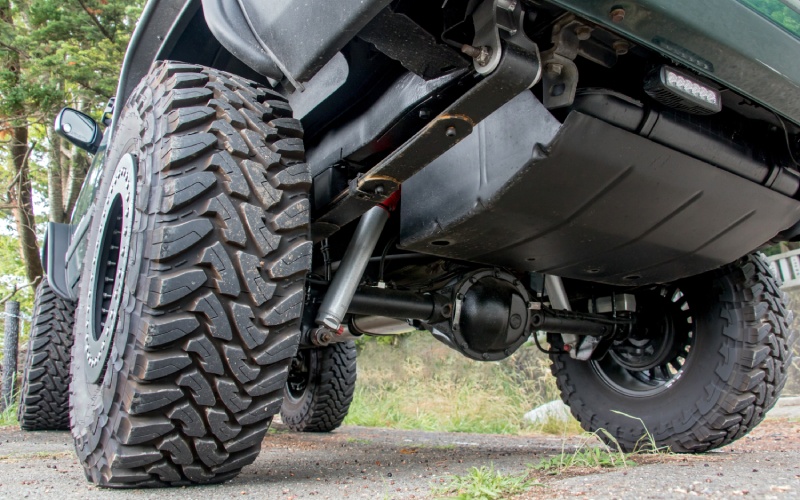
Choosing the Right Path: Use Case, Budget, and Daily Drivability
- Primary purpose: Trail performance and articulation favor suspension lifts; driveway stance and tire clearance at lower cost often point to body lifts.
- Tire size target: Bigger jumps (and true undercarriage clearance) call for suspension height; moderate upsizes may pair well with a small body lift.
- Ride and handling: Tuned dampers and springs can enhance control; body lifts largely keep factory ride but raise center of gravity slightly.
- Downtime and budget: Suspension kits are more complex to install; body lifts are generally faster but still require expert fitment.
- Future mods: Plan for gearing, brakes, or steering upgrades when moving to significantly larger, heavier tires.
Many South Jersey builds benefit from a blended strategy, like a mild 2-inch suspension lift complemented by a 1-inch body lift to clear a targeted tire size without overextending geometry. That balance preserves daily comfort on Route 47 and I-295 while adding real-world clearance for Pinelands sand tracks. Wheel selection matters too—backspacing and offset determine fender and UCA clearance as much as tire diameter. Our team at Matt Blatt Tire and Auto guides these decisions holistically, matching spring rates to vehicle weight, recommending alignment cams or adjustable control arms when needed, and confirming brake line slack at full droop. As part of the Goodyear Tire & Service Network, we also help you choose tread patterns and load ratings that fit your commute, towing, and trail habits. The result is a truck or Jeep that looks the part and performs with confidence—without creating new compromises.
FAQ: Lift Kits, Alignments, and Local Regulations
Do I need an alignment after any lift?
Yes. Any change in ride height affects caster, camber, and toe. A precision alignment restores straight tracking, protects tires, and sharpens steering feel.
Will a body lift improve ground clearance under the axles?
No. Only a suspension lift or larger tires increase under-axle clearance. A body lift primarily creates space for tires and adjusts vehicle stance.
How big can I go on tires without re-gearing?
It depends on your axle ratio, engine, and transmission. Many platforms handle a modest step-up fine; significant diameter increases often benefit from new gearing to regain drivability and towing performance.
Is New Jersey inspection an issue with lifts?
New Jersey focuses on safety, lighting, and bumper height. A professionally engineered, well-aligned build with intact emissions and lighting typically passes—keep documentation of parts and installation.
How does a lift affect ADAS and stability control?
Height changes can influence sensors and calibration. Post-install checks for steering angle, cameras, and radar help ensure driver aids function as intended.
What about daily comfort and noise?
Quality shocks, correct tire pressure, and balanced wheel-tire combos keep ride quality composed. Mud tires hum more; all-terrains strike a quieter, versatile middle ground for commuting and weekend trails.
Ready to Lift Your Truck or Jeep? Professional Guidance You Can Trust
A lift done right feels composed at highway speed, tracks straight on the turnpike, and crawls confidently over ruts and washouts. That outcome starts with careful planning, proven parts, and expert installation. As a AAA-Approved Auto Repair Facility with more than three decades serving South Jersey drivers, we combine lift kit know-how with alignment precision, ADAS calibration awareness, and the tire and wheel guidance that keeps your build balanced for the long haul. We honor most extended warranties, service all makes and models, and back our craftsmanship with the same customer-first approach our community counts on. If you’re mapping a mild stance boost for parking lot practicality or a suspension system tailored for Wharton State Forest sand and shell, our team is ready to help near Deptford, NJ. Let Matt Blatt Tire and Auto translate your goals into a clear, step-by-step plan, confirm supporting parts, and schedule installation around your calendar. Bring your questions, your tire size ideas, and a vision for where you want to drive—on road, off road, and everywhere in between—and we will make it come to life with safety, reliability, and style.
