

Drum Brakes vs. Disc Brakes — What Drivers Should Know near Washington Township, NJ
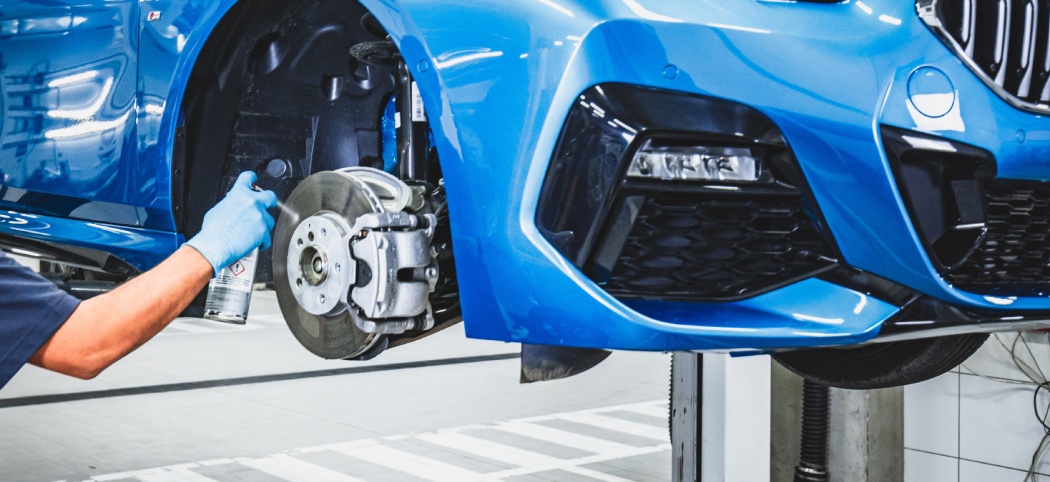
Brakes convert motion into heat so you can stop with confidence, but how they do it differs between drum and disc designs. Understanding those differences helps you choose the right service approach, upgrade path, and maintenance timing for your vehicle and driving style. Around busy arteries and school zones near Washington Township, NJ, stopping performance and predictability matter—especially in stop-and-go traffic where heat buildup and wet-weather grip quickly expose weak components. Disc brakes use calipers to squeeze pads against rotors, shedding heat efficiently and maintaining consistent pedal feel. Drum brakes push shoes outward against a rotating drum, offering strong self-energizing force and integrated parking-brake mechanisms at a lower parts cost. Both systems rely on healthy hydraulics, correct brake balance, and fresh fluid to perform as designed. As an AAA-Approved Auto Repair Facility with more than three decades serving local drivers, Matt Blatt Tire and Auto services brake systems on all makes and models, from compact commuters to work trucks. Our team inspects pads or shoes, rotors or drums, calipers and wheel cylinders, hoses, and hardware as one linked system. That whole-system view is essential because wear in one area—for example, a sticky slide pin or a seeping wheel cylinder—can create noise, vibration, pulling, or premature wear elsewhere. The right fix is the one that restores balance, heat management, and smooth, straight, and quiet stops.
Drum brakes explained: strengths, tradeoffs, and smart uses
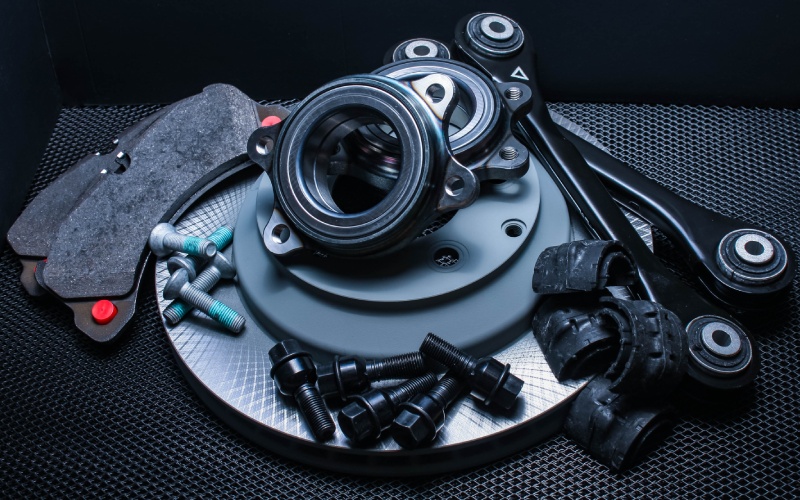
- How drums create force: Shoes expand outward to press the inner drum surface, and the self-energizing action amplifies stopping power with modest pedal effort.
- Heat and fade: Enclosed housings retain heat more than open rotors, so performance can decline on repeated hard stops or long descents.
- Moisture and debris: Dust shields help, but water, rust scale, and brake dust can linger in the drum cavity and affect smooth engagement.
- Parking-brake integration: Cables and levers inside the drum make for simple, durable parking-brake function with fewer external parts.
- Cost and longevity: Shoes often last longer than front pads because rear axle loads are lighter; parts can be more economical on fleets and daily drivers.
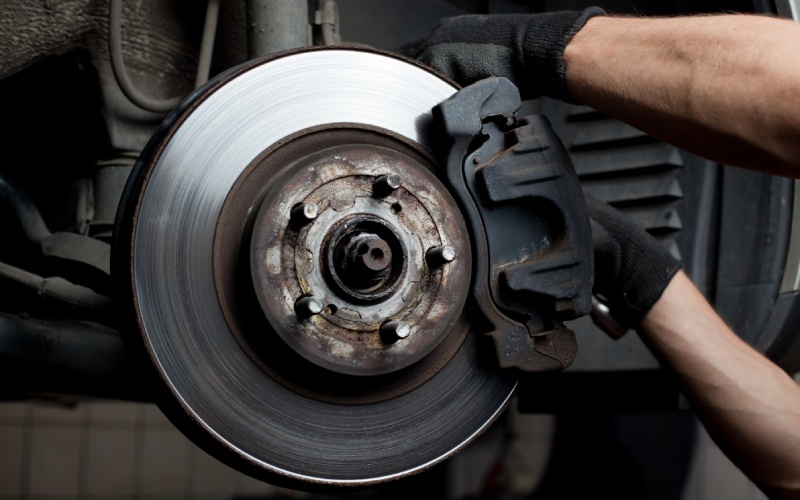
Drum brakes remain common on rear axles because they package the parking brake neatly, deliver strong low-speed holding power, and help manufacturers control vehicle cost and weight balance. Many trucks and sedans pair front discs with rear drums to keep everyday ownership costs in check while maintaining reliable braking distribution. Typical drum service includes cleaning, measuring drum diameter, replacing shoes and hardware, and addressing wheel cylinders that may weep over time. When maintained correctly—fresh hardware springs, properly adjusted star wheels, and true drum surfaces—drums offer smooth, quiet stops for commuting, towing within spec, and neighborhood driving. If you feel a pulsation, grabby engagement, or hear scraping after the car sits, that is a cue to inspect for out-of-round drums, rust lip buildup, or shoe contamination by gear oil or brake fluid.
Disc brakes explained: performance, safety tech, and everyday benefits
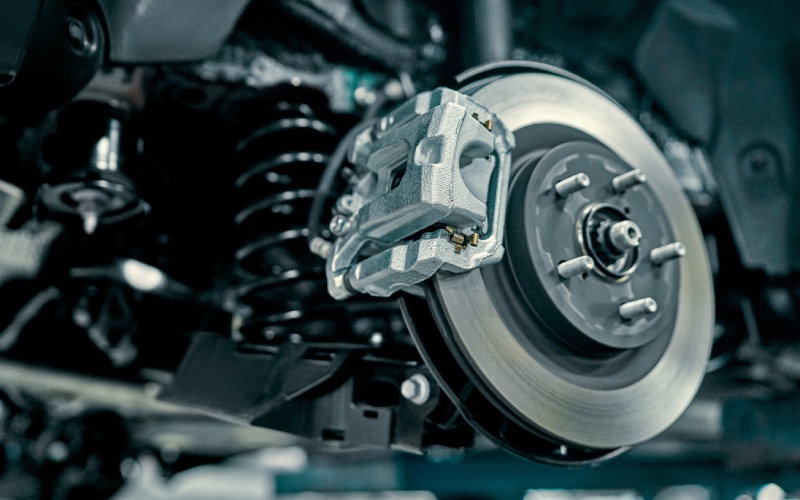
Disc brakes clamp pads onto open, ventilated rotors, allowing air to sweep heat away and minimize fade during repeated stops. That heat management is why discs dominate the front axle—where braking demand is highest—and why high-performance and heavy-duty vehicles use four-wheel discs. Rotors shed water quickly, restoring friction after puddles and storms. Caliper slide pins and piston seals, when clean and lubricated, keep the pad parallel to the rotor so contact is even and pedal feel is linear. Modern driver-assist features—ABS, traction control, and stability control—depend on predictable friction and rapid pressure modulation, an area where discs excel. For everyday driving near Washington Township, NJ, discs typically offer quieter operation, crisper initial bite, and less pull when you brake hard on uneven pavement. On the maintenance side, pads are easy to inspect visually, and rotor thickness and runout are straightforward to measure. When noise or vibration appears, causes range from glazing and uneven deposits to seized slide pins or hub runout; correcting root cause prevents a quick fix from becoming a repeat visit. If you tow, drive hilly routes, or make frequent highway off-ramps, discs help keep pedal travel stable even as temperatures rise—especially with quality pads matched to your vehicle’s weight and use.
Maintenance cues and cost-of-ownership realities
- Common warning signs: Squealing or grinding, longer stopping distances, a low or pulsing pedal, steering wheel shake, or the car pulling during stops.
- Drum-specific symptoms: Parking brake needing frequent adjustment, rear-end grab or chatter, or a delay before engagement as shoes take up slack.
- Disc-specific symptoms: High-speed pulsation from rotor thickness variation, uneven pad wear from sticky slide pins, or clunks from worn hardware.
- Fluid health matters: A spongy pedal or corroded bleeders suggest moisture in brake fluid; periodic flushes maintain ABS valve function and pedal feel.
- Total system approach: Address tires, alignment, suspension bushings, and wheel bearings; these affect braking distance, stability, and noise.
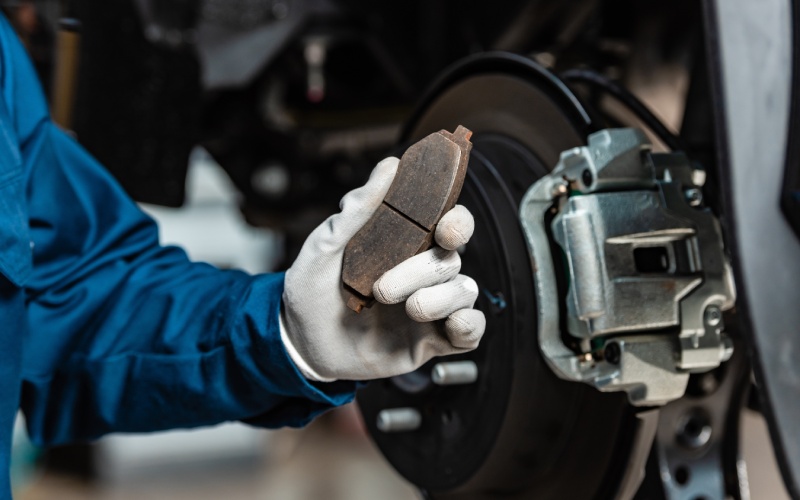
Front pads on many vehicles wear two to three times faster than rears; rear drums often outlast one or two front pad cycles but need periodic cleaning, adjustment, and hardware refresh. Professional inspections measure shoe lining thickness, drum diameter, pad depth, and rotor thickness while checking runout and hub surfaces for accuracy. We service all makes and models and honor most extended warranties, so your brake visit can address underlying issues—like seized calipers or leaking wheel cylinders—before they cause uneven wear or noise. As an AAA-Approved Auto Repair Facility and part of the Goodyear Tire & Service Network, Matt Blatt Tire and Auto uses proven procedures and quality parts to restore smooth, quiet, straight stops. When service is complete, proper bedding helps mate pads and rotors or shoes and drums, minimizing future vibration and maximizing initial bite.
FAQ: Drum vs. Disc Basics for Local Drivers
Which is better—drum or disc?
For most modern vehicles, discs on the front provide superior heat management and consistency. Rear drums remain practical, durable, and cost-effective for daily driving and integrated parking-brake function.
Can I convert my rear drums to discs?
Often yes, using vehicle-specific kits. A proper conversion considers parking-brake compatibility, master cylinder sizing, proportioning valve strategy, wheel fitment, and ABS tone rings where applicable.
Do drums work with ABS and stability control?
Yes. Many vehicles pair front discs with rear drums and still use ABS and stability control effectively when components, sensors, and hydraulics are healthy.
How long do drums and discs last?
Front pads may last 25,000 to 60,000 miles depending on traffic, weight, and pad material; rear shoes can last longer but still need periodic adjustment and hardware replacement.
When should I get a brake check near Washington Township, NJ?
Any new noise, a change in pedal feel, pulling, or a dashboard light warrants inspection. Routine checks during tire rotations help catch issues early. Matt Blatt Tire and Auto can assess the entire system and recommend the right repair.
Next step: confident stopping starts with expert inspection
Brake safety depends on more than just pad life. True stopping confidence comes from a matched set of components working together—pads or shoes with the right friction profile, smooth rotors or drums within spec, free-moving calipers or wheel cylinders, fresh fluid, and properly adjusted parking-brake hardware. Our technicians combine accurate measurements with road testing to verify pedal feel, straight-line stability, and quiet operation, then document findings so you understand what is urgent and what can wait. That clarity matters on South Jersey roads where quick stops, wet pavement, and potholes test brakes daily. If you commute, haul weekend gear, or shuttle family to fields and parks, consistent performance and short, drama-free stops are non-negotiable. Schedule a professional brake inspection, ask questions, and expect clear explanations of options—repair, replace, or upgrade—based on your vehicle and driving patterns. With the right parts and procedures, both drum and disc systems can deliver smooth, predictable, and quiet stops for thousands of miles. Let our team help you choose the best path forward and keep you confidently in control every time you press the pedal.
