

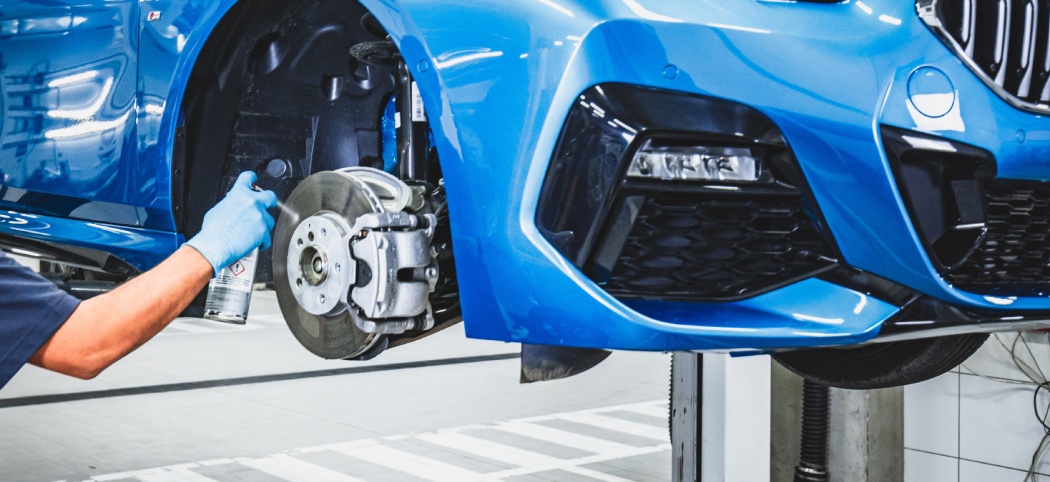
Brake Repair Expertise and Safety Confidence near Pitman, NJ
Your brakes are your vehicle’s most important safety system, and having them serviced by a trusted local team keeps every trip predictable, quiet, and controlled. At Matt Blatt Tire and Auto, we combine 30+ years of hands-on experience with advanced diagnostic equipment to protect stopping performance in all conditions. As a AAA-Approved Auto Repair Facility and proud member of the Goodyear Tire & Service Network, our shop upholds rigorous standards for inspection, repair, and customer care across all makes and models. We honor most extended warranties and provide transparent recommendations based on measured specifications, not guesswork. Whether you commute on Delsea Drive, navigate school pickups, or plan a shore weekend, brakes must convert speed into heat efficiently—without squeals, pulls, or pedal fade. Our certified technicians evaluate pads, rotors, calipers, hydraulic lines, ABS components, and brake fluid condition, then road-test to validate results. With consistent service intervals and quality parts, you’ll reduce stopping distances, extend component life, and keep noise and vibration in check. If you live or work near Pitman, NJ, proactive brake care helps you handle wet fall leaves, winter road salt, and spring potholes with confidence. Schedule a comprehensive brake assessment to stop small issues early and maintain the quiet, linear pedal feel you expect.
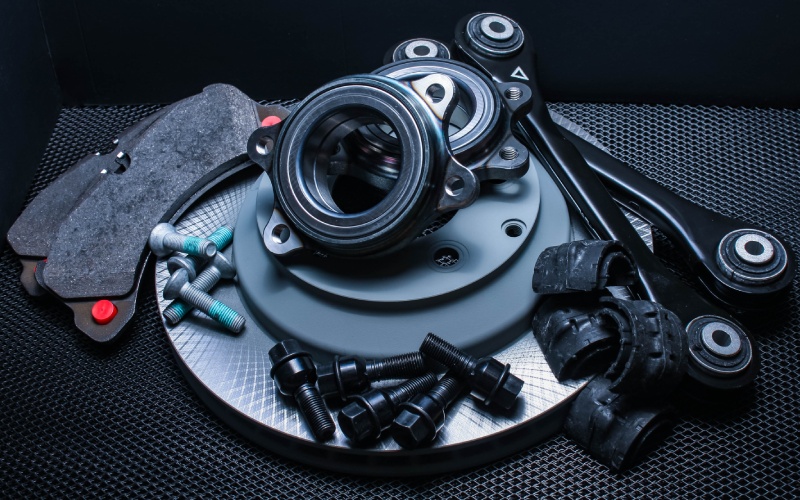
Warning Signs and When to Schedule Service
- Squealing or chirping: Pad wear indicators contacting the rotor often signal thin pads.
- Grinding during stops: Metal-to-metal contact suggests pads have worn through to backing plates.
- Steering wheel shake under braking: Possible rotor thickness variation or runout.
- Vehicle pulling left or right: Sticking caliper, uneven pad deposits, or hydraulic imbalance.
- Longer stopping distances: Glazed pads, degraded fluid, or weak hydraulic pressure.
- Soft or “spongy” pedal: Air or moisture in the lines, or internal master cylinder wear.
- High, hard pedal: Vacuum-assist issues or seized slide pins reducing clamping force.
- ABS or brake light on: Fault codes, wheel speed sensor issues, or low fluid level.
- Burning or chemical odor: Overheated brakes from dragging calipers or heavy loads.
- Visible fluid around wheels: Leaks at hoses, calipers, or wheel cylinders.
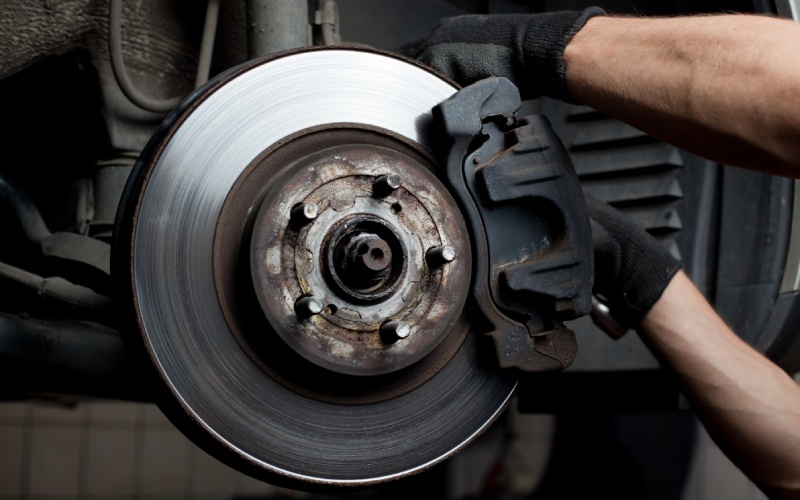
Any change in brake behavior is your early warning system. Modern braking relies on precise friction, stable hydraulics, and clean sensor data from the anti-lock system. Heat, moisture, and debris gradually degrade these elements—especially with stop-and-go traffic, steep driveways, or seasonal road salt. Ignoring squeals can lead to rotor damage, while postponing fluid service invites corrosion inside calipers and the ABS modulator. If the steering wheel shakes only when braking, the likely culprit is rotor thickness variation or pad material unevenly transferred to the rotor. A soft pedal may point to air intrusion, boiling fluid, or failing seals. Meanwhile, pulls under braking often trace back to a sticky caliper slide or contaminated friction surface. Drivers around South Jersey encounter potholes and rapid temperature swings that stress mounts, hoses, and hardware; that’s why a quick inspection can prevent cascading failures. When in doubt, book a professional evaluation to isolate the cause and restore predictable, straight-line stopping.
What Happens During a Professional Brake Repair
A thorough brake service starts with measurements and ends with validation on the road. We begin with a wheel-off inspection to measure pad thickness, rotor thickness, and rotor runout against manufacturer specifications. Next, we examine caliper operation, slide pin freedom, dust boots, and brake hoses for cracking or swelling. We test brake fluid for moisture contamination, verify master cylinder integrity, and scan for ABS fault codes. If components need replacement, we match friction materials to your driving profile—daily commuter, towing, or spirited driving—to balance bite, noise control, and dust. Rotors are either resurfaced within spec or replaced in pairs, and hardware kits and slide lubricants are renewed to ensure even clamping. Torque specs are followed precisely to avoid rotor distortion from overtightened lugs. Before you get the keys back, we conduct a controlled burnish procedure to seat pads and rotors properly, then road-test to confirm stable pedal height, zero pull, quiet operation, and no pulsation. At Matt Blatt Tire and Auto, you receive findings in clear terms—what we measured, what we replaced, and why it matters—so you can drive away confident your braking system is ready for busy intersections, wet roads, and emergency stops.
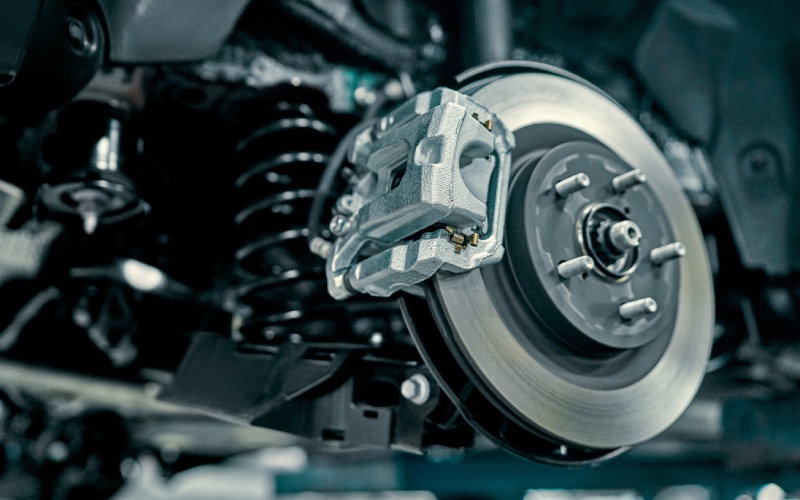
Brake Maintenance Intervals and Pro Tips
- Pad life: Typically 25,000–60,000 miles, depending on driving style, load, and pad compound.
- Rotor service: Resurface if within spec and smooth; replace in pairs when below minimum thickness.
- Brake fluid: Test for moisture annually; plan a full exchange every 2–3 years or as specified.
- ABS health: Address warning lights promptly—faults reduce control on slick roads.
- Driving habits: Anticipate stops and coast to reduce heat and extend pad and rotor life.
- Tire care: Proper inflation and rotation support even braking and shorter stops.
- Suspension and alignment: Worn parts increase stopping distance and cause pull or shake.
- Seasonal checks: Inspect after winter salt or summer heat, both accelerate wear and corrosion.
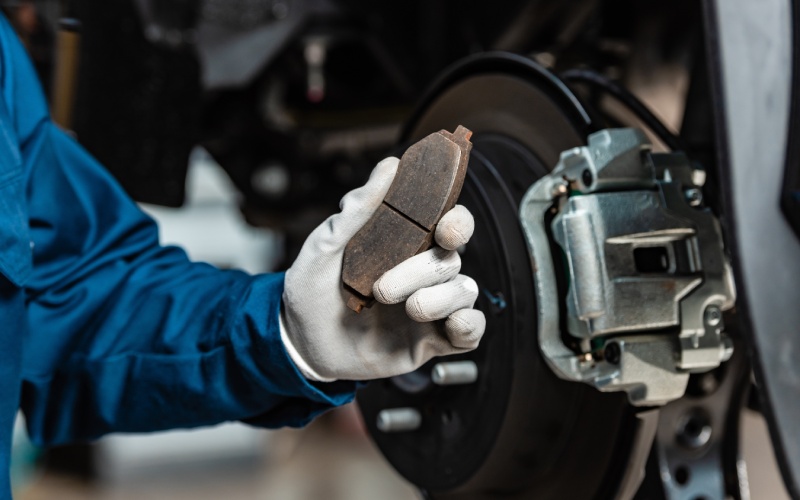
Preventive maintenance is the easiest way to preserve pedal feel, reduce noise, and avoid rotor damage. Because brake fluid is hygroscopic, it gradually absorbs moisture—which lowers its boiling point and can cause pedal fade during hard stops. An annual fluid test identifies elevated moisture content before it corrodes ABS valves or caliper pistons. Smooth, early braking trims rotor temperature spikes that can lead to thickness variation and pulsation. Keep tires properly inflated and rotated—your brakes can only work as well as the traction your tires provide. After winter, have caliper slides checked and hardware renewed if needed; road salt accelerates corrosion and sticking, which causes uneven wear. If you tow, drive hilly routes, or sit in heavy traffic, your system runs hotter and benefits from more frequent inspections. Coordinating brake service with alignment and suspension checks prevents pull, improves stability, and protects new pads and rotors from uneven loading. Pair routine care with quality parts to maintain quiet, confident stops for thousands of miles.
FAQ
How often should I replace brake pads?
Most drivers see 25,000–60,000 miles, but city traffic, towing, and driving style can shorten or extend that range. A quick measurement during oil changes helps plan service before wear indicators squeal or rotors are damaged.
Do I need new rotors with every pad change?
Not always. If rotors meet minimum thickness and runout specs and have an even surface, they can be resurfaced. Otherwise, replacing rotors in pairs protects pedal feel and prevents vibration.
Why does my steering wheel shake only when braking?
That symptom typically indicates rotor thickness variation or uneven pad deposits on the rotor surface. Correcting it may require rotor service and ensuring caliper slides and hardware function freely.
What causes a soft or “spongy” brake pedal?
Air or moisture in the hydraulic system, overheated fluid, or internal master cylinder wear can lower pedal firmness. A professional fluid exchange and system inspection will restore proper feel and pressure.
How important is brake fluid service?
Very. Moisture lowers the fluid’s boiling point and promotes corrosion inside calipers and ABS components. Testing annually and exchanging every 2–3 years helps maintain consistent pedal response.
Is it safe to drive with the ABS light on?
Your base brakes still work, but anti-lock function may be reduced, especially on wet or icy roads. A prompt diagnostic scan ensures sensors and valves protect you during emergency stops.
Can glazing cause noisy brakes?
Yes. Overheating can harden pad surfaces and create squeals. The fix may involve pad replacement, rotor service, and addressing the root cause—like stuck slides or aggressive braking habits.
Why replace brake hardware and lube slides?
Fresh hardware maintains even pad retraction and pressure, preventing tapered wear and noise. High-temperature lubricants on slide pins reduce binding and support smooth, consistent braking.
Schedule Trusted Brake Service
Ready for quieter, shorter, more consistent stops? Our certified technicians deliver precise measurements, clear recommendations, and quality parts backed by a AAA-Approved Auto Repair process—so you can trust every mile. Located in Glassboro and convenient to commuters near Pitman, NJ, our modern facility services all makes and models, honors most extended warranties, and follows factory torque and bedding procedures to protect new pads and rotors. We road-test every repair to validate pedal feel, noise control, and straight-line stability, then share results in plain language. Whether you are tracking a light squeal, chasing a steering shake under braking, or overdue for a fluid exchange, we tailor service to your driving profile and local conditions—busy arterials, winter salt, summer heat, and everything in between. Keep maintenance simple by pairing brake checks with tire rotations and seasonal inspections. When it is time to stop second-guessing your brakes, schedule an appointment near Pitman, NJ and let our team restore the confident, quiet stopping your vehicle was built to deliver. Matt Blatt Tire and Auto is ready to help you plan maintenance today and avoid bigger repairs tomorrow.
