

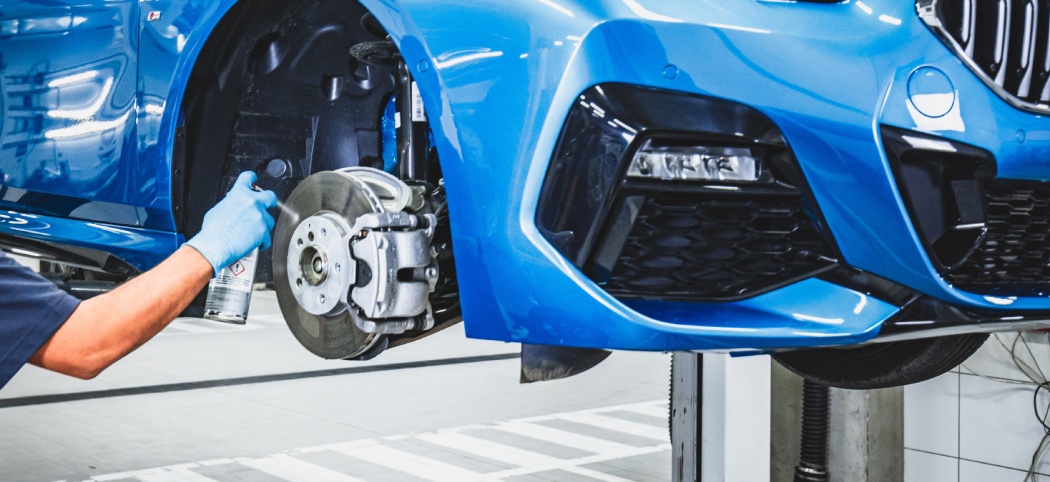
Brake Repair and Safety Fundamentals for Drivers near Washington Township, NJ
Brakes are the most important safety system on any vehicle, and dependable stopping starts with expert inspection, quality parts, and precise installation. Around the busy corridors of Black Horse Pike and Egg Harbor Road, drivers contend with frequent lights, school zones, and abrupt merges that demand predictable, quiet, straight-line braking. As a AAA-Approved Auto Repair Facility with more than three decades of hands-on experience, we understand how to translate manufacturer guidelines into real-world results for cars, SUVs, and trucks of all makes and models. Our team measures what matters—pad thickness, rotor condition, caliper function, hydraulic integrity, and tire-road contact—so you leave with brakes you can trust. Because heat and friction steadily wear pads, rotors, and hardware, catching concerns early prevents warped rotors, pulsation, or uneven wear from becoming bigger repairs. We also honor most extended warranties and are part of the Goodyear Tire & Service Network, which underscores our commitment to consistent standards and customer-first care. Whether you notice a new noise or just want a preventive check before a Shore weekend run, we road-test, document findings, and explain every recommendation in plain language. For drivers near Washington Township, NJ, that clarity and thoroughness help you plan service on your schedule, not your car’s. Reliable braking isn’t guesswork; it’s a system-wide approach backed by training, tooling, and a process designed to restore confidence—one precise stop at a time.
Brake Warning Signs You Should Never Ignore
- Squeal or chirp: High-pitched sounds often indicate pad wear indicators contacting the rotor.
- Grinding: Metal-on-metal noise suggests pads are worn through and rotors may be damaged.
- Vibration or pulsation: A shaking pedal or steering wheel can point to rotor thickness variation or runout.
- Soft or low pedal: A spongy feel may stem from air in lines, aging fluid, or hydraulic issues.
- Pulling to one side: Sticking calipers, contaminated pads, or uneven pad wear can steer the car during braking.
- Burning odor: Overheated brakes after a steep descent or stop-and-go crawl can glaze pads.
- Warning lights: ABS or brake indicators call for prompt diagnostics and a system check.
- Fluid spots under car: Amber-colored drips may indicate a brake hydraulics leak that reduces stopping power.
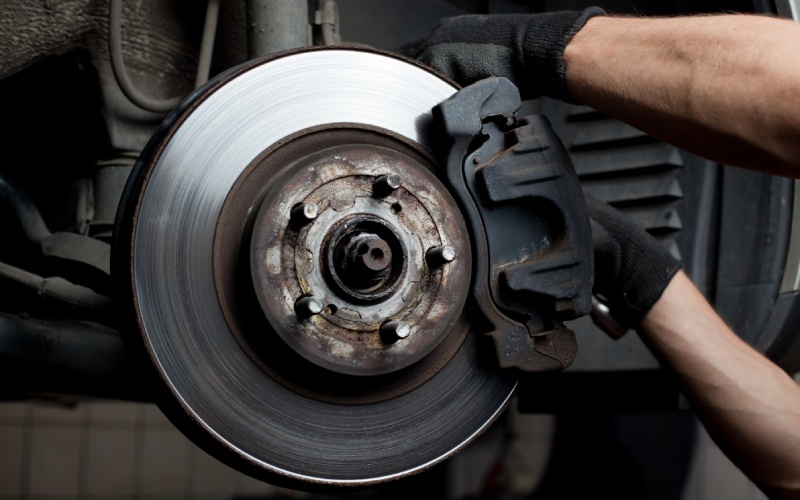
Small brake symptoms turn into big problems when ignored. A faint chirp today can become rotor damage tomorrow; a mild pedal vibration can grow into longer stopping distances during a hard stop on Route 42. In suburban traffic near Washington Township, NJ—where lane changes, tailgating, and short yellow lights are common—those extra few feet can matter. When we inspect brakes, we verify pad material transfer, assess rotor thickness and surface finish, test slide-pin movement, and confirm even clamping force at each wheel. We also check tire pressure and suspension basics because tires and alignment directly affect braking feel and distance. If braking issues coincide with a recent tire replacement, wheel alignment, or steering repair, a system check ensures those changes were torque-verified and sensor-safe. Modern ABS and stability systems rely on clean wheel-speed data, so our diagnostic process includes visual harness checks and scan-tool verification. Whether symptoms are subtle or severe, quick attention preserves more components, keeps costs in check, and restores consistent performance for your daily routes and weekend highway miles.
What We Inspect, Measure, and Replace During Professional Brake Service
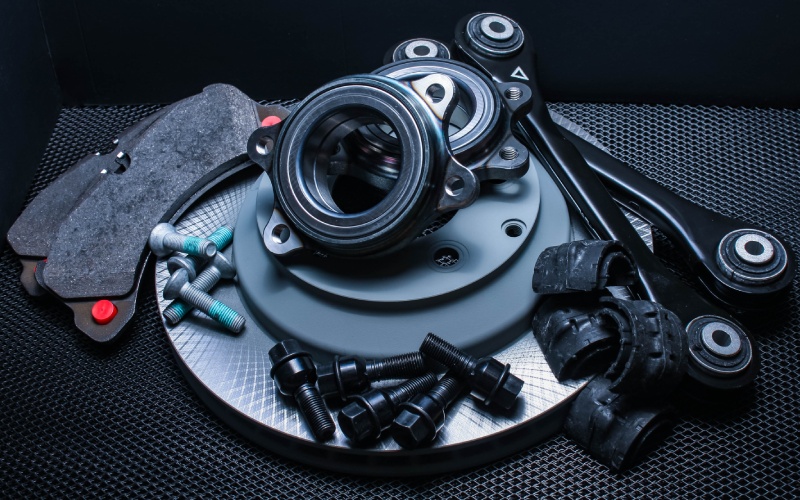
Comprehensive brake service is more than just pads and rotors—it’s a sequence of inspections, measurements, and precision steps performed in the right order. We start with pad thickness and wear pattern across all corners, then measure rotors for thickness, runout, and surface condition. If resurfacing won’t restore the correct finish and minimum thickness, we recommend new rotors to match fresh pads and prevent noise or pulsation. Calipers are cleaned and evaluated for seal integrity and even application; slide pins are de-rusted, lubricated with the proper high-temp grease, and reassembled with new boots if needed. We replace abutment clips and hardware to ensure pads move freely and release properly. Hydraulic system checks include looking for seepage at hoses and fittings, verifying master cylinder performance, and testing brake fluid condition—often overlooked but critical for consistent pedal feel. On drum-style rears, we inspect shoes, springs, and adjusters, confirming proper contact and automatic adjustment. After reassembly, we torque wheels to spec, perform bedding-in procedures when required, and road-test to confirm straight tracking, balanced deceleration, and quiet operation. As a member of the Goodyear Tire & Service Network, we follow documented processes and use quality parts so your results are repeatable. The outcome is a brake system that engages smoothly, releases cleanly, and offers confident control in both everyday and urgent stops.
Smart Brake Care Habits That Extend Life and Save Time
- Mind the load: Extra passengers or cargo increase stopping distances and stress pads and rotors.
- Look ahead: Smooth deceleration and earlier lift-off reduce heat and prevent glazing.
- Right-foot discipline: Avoid riding the brake; give the system time to cool between stops.
- Pair brakes with tires: Quality, properly inflated tires shorten stopping distances and improve ABS performance.
- Service brake fluid: Moisture-contaminated fluid raises fade risk and can corrode components.
- Address vibration early: Minor pulsation caught early can save rotors and calipers from collateral wear.
- Keep hardware fresh: New clips, shims, and pin boots help ensure quiet, even pad movement.
- Schedule post-impact checks: After potholes or curb strikes, confirm alignment and brake component health.
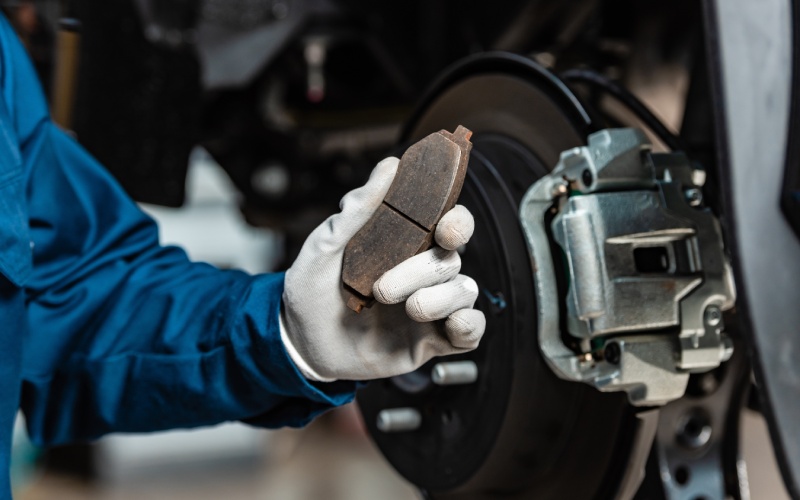
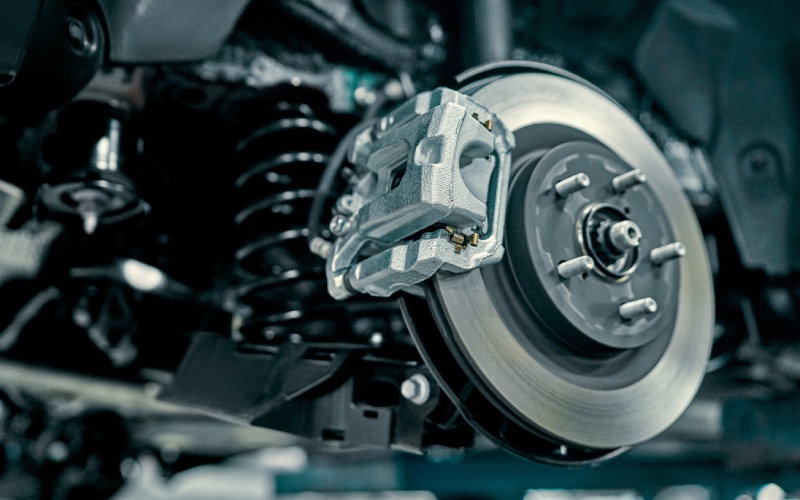
Habits influence brake longevity as much as mileage. Anticipating lights along Hurffville-Cross Keys Road and leaving a wider gap in Turnersville traffic reduce pedal time and heat, which in turn helps retain rotor flatness and pad bite. Tire traction and alignment are equally important—worn or underinflated tires lengthen stopping distances, while misalignment can masquerade as brake pull. We advise periodic brake fluid service based on age, condition, and manufacturer guidance; brake fluid absorbs moisture over time, and excessive water content can boil under heavy braking, lowering pedal height and confidence. When new pads are installed, following proper bedding instructions seats friction material evenly, minimizing noise and vibration. If you tow, commute in stop-and-go, or frequently navigate tight local shopping centers, preventive checks at shorter intervals are smart. Our technicians are trained across makes and models, so hybrid regen-braking interfaces, electronic parking brakes, and advanced driver-assistance calibrations get the specialized attention they require—helping your brake system operate as intended mile after mile.
Brake Repair FAQs for Local Drivers
How often should I replace brake pads?
Pad life varies widely—anywhere from 20,000 to 60,000 miles—based on driving style, terrain, vehicle weight, and pad material. We recommend inspections at every tire rotation to track wear and plan ahead.
Do I need to replace rotors with pads every time?
Not always. Rotors must meet minimum thickness and surface specs. If they are warped, scored, or too thin to resurface, we recommend replacement to prevent noise and pulsation with new pads.
What causes brake pulsation?
Pulsation often stems from rotor thickness variation or uneven pad material transfer. Heat from repeated hard stops can also induce localized hard spots. Measurement and proper resurfacing or replacement solve the root cause.
Why does my car pull when braking?
Common causes include sticking caliper pins, uneven pad wear, contaminated friction surfaces, or tire and alignment issues. A full system check isolates whether the cause is hydraulic, mechanical, or tire-related.
Is a soft brake pedal dangerous?
Yes. A low or spongy pedal can indicate air in the lines, degraded fluid, or a leak. Prompt diagnostics are essential to restore safe pedal height and braking force.
How important is brake fluid service?
Very. Brake fluid absorbs moisture over time, raising the boiling point and inviting corrosion. Testing and servicing fluid at recommended intervals preserves pedal feel and component longevity.
Can I bed-in new pads on city streets?
Yes, with care. Follow a controlled sequence of moderate stops in a safe area to gradually heat-cycling pads and rotors. We provide guidance after installation to help ensure a quiet, consistent result.
Ready for Confident Stops? Schedule Expert Brake Care Today
Reliable braking takes a system-wide view—pads, rotors, hydraulics, tires, and suspension all working together. That’s the standard we apply every day, drawing on 30-plus years of experience, AAA-Approved Auto Repair practices, and our Goodyear Tire & Service Network affiliation. From the quick diagnostics that catch a small chirp before it becomes a grind to the precise measurements that end pedal pulsation, we build a plan around your vehicle and the way you drive. Our team explains findings clearly, honors most extended warranties, and stands behind our workmanship so you can focus on the next turn, not the last stop. If your commute or errands take you near Washington Township, NJ, and you want braking you can count on at every light and roundabout, we are ready to help. Schedule a visit, ask questions, and expect transparent recommendations grounded in proven procedures and quality parts. Matt Blatt Tire and Auto is here to keep your vehicle stopping straight, smoothly, and quietly—so every mile feels as confident as the first.
