

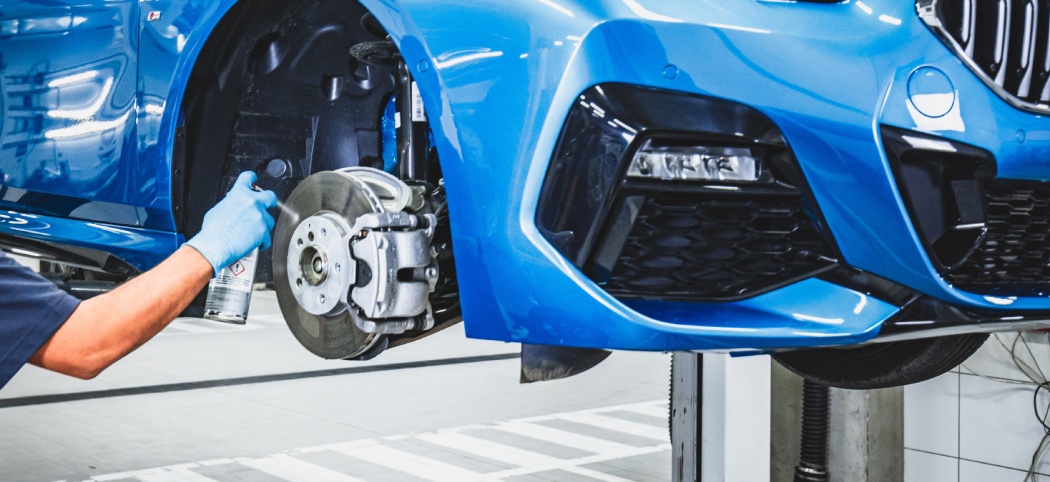
Brake Noise Diagnosis near Clayton, NJ
A squeal, scrape, vibration, or grinding sound when you press the brake pedal is more than an annoyance; it is useful information about how your brake system is working. For drivers looking for brake noise diagnosis near Clayton, NJ, the goal is usually simple: find out whether the vehicle is safe to drive, what is causing the sound, and how soon service is needed. Matt Blatt Tire and Auto helps drivers from Clayton, Glassboro, Pitman, Sewell, and surrounding South Jersey communities identify brake concerns with a clear, practical inspection process. Local roads such as Delsea Drive, Route 55 access points, neighborhood streets, and busy school or shopping areas can involve frequent stops, which naturally put wear on pads, rotors, calipers, brake fluid, and hydraulic components. Because modern brake systems convert vehicle motion into heat through controlled friction, noises often develop when parts are worn, uneven, loose, glazed, contaminated, or not moving correctly. The important step is not guessing based on sound alone. A professional inspection can confirm whether the issue is worn brake pads, rotor surface damage, a caliper problem, low brake fluid, parking brake hardware, or a related steering and suspension concern that only appears during braking.
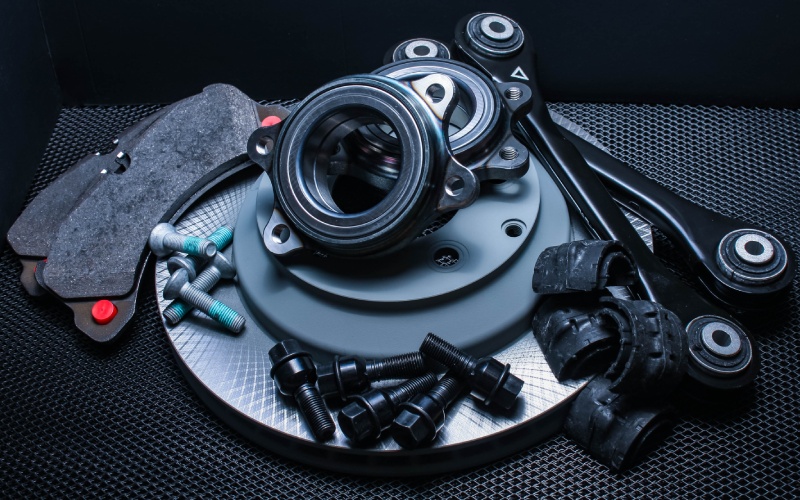
Common Brake Sounds and What Drivers Should Notice
- High-pitched squealing: This often points to brake pad wear indicators, glazed friction material, dust buildup, or vibration between brake components.
- Grinding or scraping: This may mean brake pads are severely worn, allowing metal-to-metal contact that can damage rotors and reduce stopping performance.
- Clicking or clunking: This can come from loose hardware, worn caliper slides, pad movement, suspension wear, or parking brake components.
- Thumping or pulsing: This may be related to rotor thickness variation, uneven pad deposits, wheel bearing issues, or tire and alignment concerns.
- Hissing or soft pedal feel: This can suggest hydraulic concerns, air in the brake lines, or brake booster related issues that deserve prompt attention.
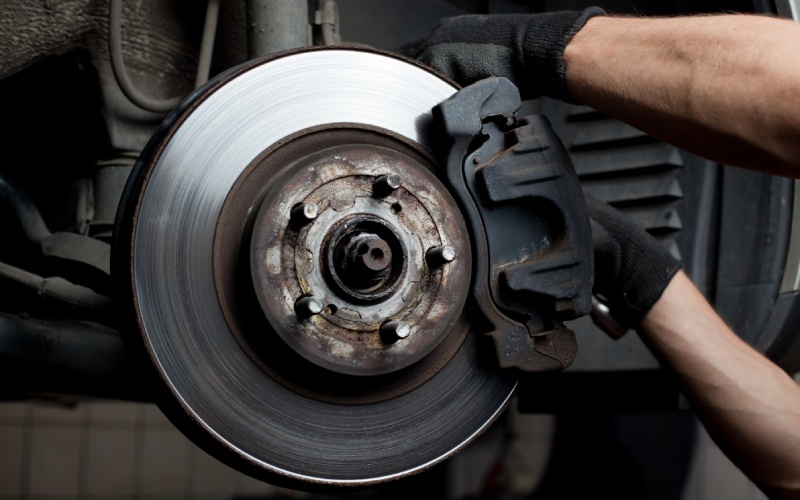
Sound is only one part of the diagnosis. Drivers should also pay attention to when the noise happens, whether the vehicle pulls to one side, whether the brake pedal feels spongy, and whether the steering wheel shakes. A squeal during light braking in a parking lot is different from grinding during every stop on a daily commute. If the brake warning light or service indicator appears, that information also helps narrow the cause. Bringing these details to a technician can make the inspection more efficient and help separate a simple maintenance need from a safety-related repair.
How Professional Brake Diagnosis Works
At Matt Blatt Tire and Auto, brake diagnosis is handled as a system inspection, not a quick look at one part. Brake pads and shoes create friction against rotors or drums, but the full system also includes calipers, hydraulic brake lines, master cylinder operation, parking brake components, brake fluid condition, hardware, and electronic warning indicators on many vehicles. Our technicians check front and rear brake assemblies, look for uneven wear, inspect rotor condition, evaluate pad thickness, and review signs of fluid leaks or heat damage. If a vehicle pulls while braking, the concern may involve a sticking caliper, uneven pad contact, low fluid, tire condition, or steering and suspension wear. If the brake pedal travels too far or feels soft, air or moisture in the hydraulic system may be part of the issue. This matters for Clayton-area drivers because daily driving often combines short trips, local errands, and highway stretches, which can hide symptoms until a harder stop is needed. A thorough diagnosis helps avoid replacing parts unnecessarily while also catching problems before heat, friction, and vibration spread damage to nearby components. Clear communication is central to the process, so drivers understand what is urgent, what is maintenance-related, and what can be monitored.
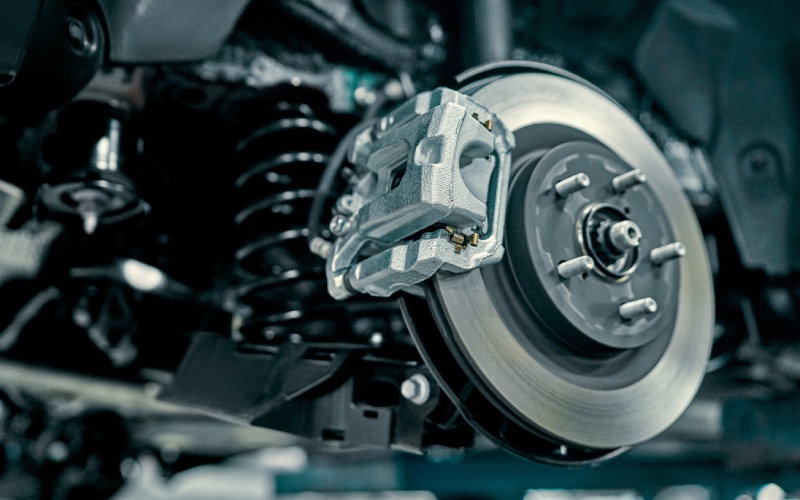
Brake Repairs That May Follow an Inspection
- Brake pad replacement: Worn pads are one of the most common causes of squealing, grinding, longer stopping distances, and rotor damage.
- Rotor service or replacement: Rotors with grooves, hot spots, corrosion, or thickness variation can cause vibration, noise, and uneven braking.
- Caliper and hardware service: Sticking calipers, seized slide pins, or weak hardware can create uneven wear, pulling, overheating, and repeated noise.
- Brake fluid and hydraulic repair: Contaminated fluid, leaks, or air in the lines can create a soft pedal and reduce braking response.
- Drum brake and parking brake service: Rear brake shoes, drums, springs, adjusters, and parking brake parts can cause scraping, dragging, or poor holding ability.
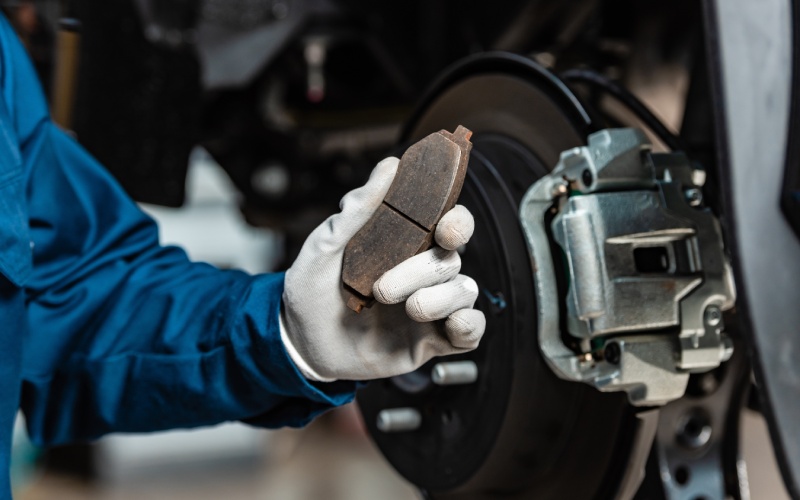
The right repair depends on confirmed measurements and symptoms, not assumptions. For example, new pads may not solve a shake if rotor surface variation is the main issue, and rotor replacement alone may not last if a caliper is sticking. Because Matt Blatt Tire and Auto is a AAA-Approved Auto Repair Facility and services/brake-repair all makes and models, our team can evaluate domestic and foreign vehicles with the same focus on safety, function, and long-term reliability. We also honor major extended warranties, which can be helpful when a covered brake-related or connected mechanical concern requires documentation and proper diagnosis.
FAQ
Is it safe to drive if my brakes are squealing?
Light squealing can come from dust, pad material, or wear indicators, but it should still be inspected. If the sound becomes grinding, the pedal changes, or stopping distance increases, avoid delaying service.
Why does my steering wheel shake when I brake?
Brake vibration is often linked to rotor surface variation, uneven pad deposits, worn suspension parts, wheel bearing concerns, or tire issues. A complete inspection can separate brake causes from steering and suspension causes.
Can low brake fluid cause noise?
Low fluid may not directly create a squeal, but it can signal pad wear or a hydraulic leak. It may also contribute to poor pedal feel, warning lights, and reduced braking confidence.
How quickly should grinding brakes be checked?
Grinding should be inspected as soon as possible. It can indicate metal-to-metal contact, which can damage rotors, increase repair needs, and reduce stopping performance.
Do all four brakes need service at the same time?
Not always. Front and rear brakes wear at different rates, but both ends should be inspected so the repair recommendation matches actual condition and vehicle design.
Schedule Brake Noise Service with Confidence
If you are hearing brake noise near Clayton, NJ, scheduling service early is the best way to protect your vehicle and your peace of mind. Brake systems are designed to provide controlled, predictable stopping, and small symptoms can become larger concerns when heat, friction, and wear continue unchecked. Matt Blatt Tire and Auto is located in nearby Glassboro and has served the automotive market for more than 32 years as a tire, wheel, and auto repair center. We combine brake repair expertise with related services/brake-repair such as tire inspections, wheel alignment, steering and suspension repair, preventive maintenance, electrical diagnostics, and oil and filter service, which means our team can look at the full picture when a braking symptom overlaps with another system. Whether your commute takes you through Clayton, along Delsea Drive, toward Rowan University, or into surrounding Gloucester County communities, dependable brakes matter every day. Schedule an appointment online or visit our service center to have your brake noise inspected by experienced professionals. We will help identify the cause, explain the recommended repair, and get you back on the road with confidence.
