

Matt Blatt Tire and Auto - Windshield Calibration After Replacement for Glassboro, NJ
Today’s windshields do more than block the breeze. For many vehicles, the glass anchors cameras and sensors that guide lane centering, manage adaptive cruise control, and assist with automatic emergency braking. When a windshield is replaced, those systems often require calibration to ensure the forward-facing camera sees the road exactly as the software expects. Around Glassboro’s Route 47 corridor, Route 55 interchanges, and the Rowan University district’s steady traffic, that accuracy matters — a few millimeters or fractions of a degree can change how your systems interpret lane lines and nearby vehicles.
Calibration falls into two main categories: static and dynamic. Static calibration uses targets positioned at precise distances and heights in a controlled bay, enabling the camera to align to known references. Dynamic calibration takes place on the road, where the system reads lane markings during a drive cycle that meets specific speed and distance requirements. Many vehicles need one or the other; some require both. The key is following the manufacturer’s service information for target placement, vehicle ride height, tire pressure, and even fuel level, because these variables influence the camera’s view and algorithm assumptions.
What triggers the need for calibration? A replacement windshield is the most obvious reason, but there are many others. Removing or reattaching the camera bracket, changing a ride-height component, performing a wheel alignment on certain models, or even disconnecting the battery during connected repairs can prompt a calibration requirement or a stored fault code. If a shop installs glass without verifying the exact specification for your trim level — for instance, acoustic laminate, HUD-compatible glass, or rain sensor cutouts — sensor performance and optical clarity can suffer. That is why glass selection and mounting depth matter; the camera expects a specific focal path through the laminate.
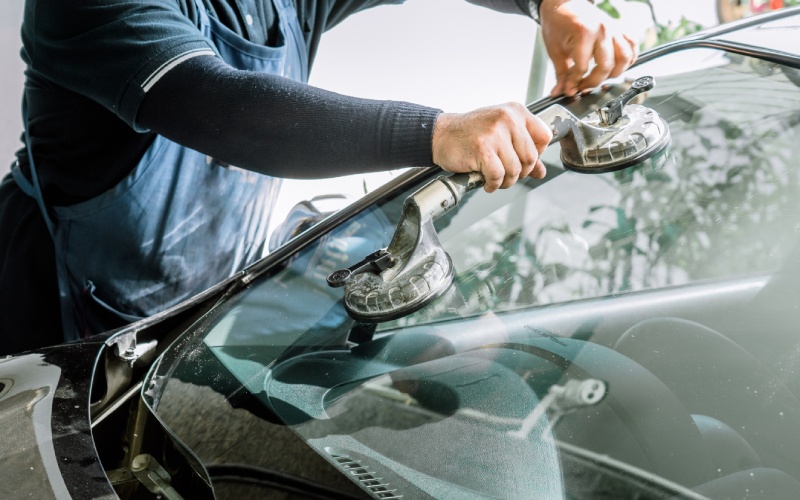
In practice, a high-quality calibration process starts earlier than most drivers realize: during glass removal. Protecting the camera housing, trim, and harnesses, then cleaning mounting surfaces and confirming bracket geometry, lays the groundwork for accurate alignment. After installation, proper urethane bead size and cure time preserve a bond that resists vibration and flex, two enemies of camera stability. Once the glass is secure and the vehicle meets prep criteria — correct tire pressures, centered steering wheel, and unladen cargo area — the calibration begins with a scan to document baseline codes and software versions.
During static calibration, technicians position targets with lasers or factory fixtures to control distance and yaw relative to the front axle centerline. Tolerances are tight. A slight twist in the steering angle sensor or a vehicle not parked on a truly level surface can skew results. Dynamic calibration requires road conditions with good lane paint, steady speeds, and predictable traffic — not always easy on Delsea Drive at rush hour. If the camera fails to complete its drive routine, the technician will reassess factors like windshield tint shade, wiper park position, or camera shroud seating, then repeat the process.
How will you know calibration is needed? Signs range from an illuminated lane-assist or front camera warning to features that feel “off,” like overly sensitive steering nudges or cruise control that disengages unexpectedly. After glass work, it is smart to expect a calibration step; even if your dash light turns off, a post-scan can reveal stored history codes that deserve attention. Keep in mind that some systems also rely on radar behind the bumper or in the grille. While radar units have separate alignment requirements and fixtures, a thorough shop will check for relevant OEM procedures whenever front-end service occurs in the same visit.
Drivers sometimes ask whether aftermarket windshields can be calibrated as effectively as OEM glass. The best answer is that it depends on the exact vehicle and the glass supplier. Many high-quality aftermarket options meet optical and dimensional specs, but variations in laminate thickness, coatings, or bracket positioning can affect alignment. The safest path is to source glass matched to your vehicle’s ADAS equipment list and verify the camera bracket’s location against service information. Then, confirm that the shop uses certified tools and documents pre- and post-calibration results.
What about timelines and care after service? Adhesive cure times determine when calibration should occur and when you can safely drive home. Rushing this step may introduce vibrations or micro-movements that defeat an otherwise perfect alignment. Once you are on the road, give your camera a clean view: replace worn wipers, avoid dashboard items that can reflect into the camera’s field, and keep the interior glass free of film that can distort lane-marking contrast. If you have a long daily run on Route 55 or frequent night drives across the 322 corridor, sharper lane visibility will help the system complete dynamic routines more consistently.
Most importantly, choose a shop that treats calibration as essential, not optional. The process requires space, tooling, training, and patience — rushing it wastes time and may compromise safety features you rely on every day. Ask whether the team follows OEM procedures, maintains current target kits, and performs scans before and after work. Proper documentation matters for your repair records and can support warranty coverage down the road.
Matt Blatt Tire and Auto performs glass replacement using OEM-grade methods and supports the calibration steps your vehicle calls for, so you leave confident that your technology sees the road the way it should.
If your windshield was recently replaced or you are planning service soon, schedule a visit and let our team verify whether calibration is required for your model. It is a smart step for safer commutes around town and on the highway, serving Glassboro, Pitman, and Clayton with practical guidance and careful workmanship from start to finish.
