

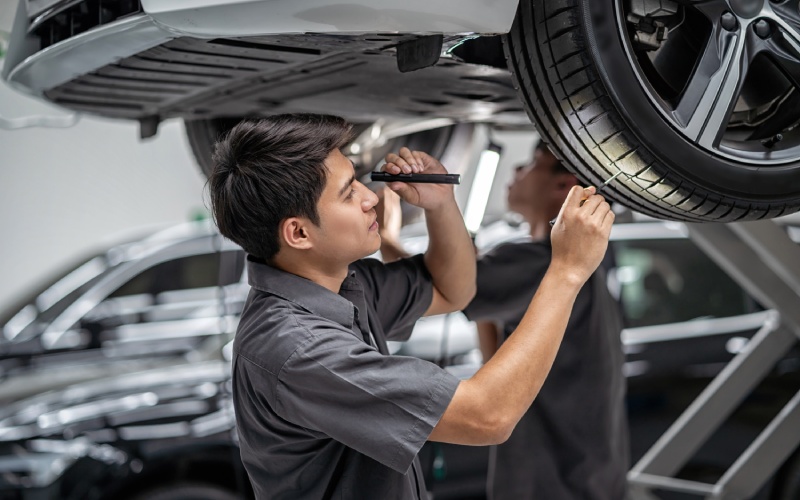
Matt Blatt Tire and Auto - Tread Depth Decisions for Pitman, NJ Drivers Choosing Winter or All-Season Tires
Why Tread Depth Matters More Than Many Drivers Realize
Tread depth is one of the most important factors in the winter tire versus all-season tire conversation because tread is what helps your vehicle maintain contact with the road. The rubber compound, tire size, load rating, and tread pattern all matter, but insufficient tread depth limits what any tire can do. For Pitman, NJ drivers who travel through local neighborhoods, Route 47, Route 55 access points, or nearby Glassboro and Sewell roads, tire condition can change how a vehicle feels during braking, cornering, and highway merging. A tire with worn tread may still hold air and appear serviceable at a quick glance, but reduced tread depth can make it harder for the tire to move water or slush away from the contact patch. That can affect traction even before a tire reaches the legal minimum.
At Matt Blatt Tire and Auto, we often explain tread depth as part of a bigger tire health picture. A winter tire with low tread may not perform like a proper winter tire anymore, and an all-season tire with strong tread may be a better fit than a neglected winter set. The decision should include tread depth, tire age, wear pattern, inflation history, alignment condition, and how the vehicle is used. If your commute includes early mornings, shaded side roads, or frequent highway driving, the difference between healthy tread and marginal tread can be noticeable. Good tread depth helps with water evacuation, road grip, steering response, and stopping distance, which makes tire inspection one of the smartest steps before choosing a tire category.
How Tread Works on Winter and All-Season Tires
Winter tires and all-season tires use tread in different ways. Winter tires typically have deeper channels, aggressive biting edges, and many small cuts called sipes. Those features help the tread grip snow, slush, and icy surfaces while maintaining flexibility in cold conditions. All-season tires use tread patterns designed for broader versatility. A quality all-season tire can perform well on dry pavement, rain, and light winter conditions, while also offering a comfortable ride and longer tread life. For many local drivers, that balance is appealing. However, once tread depth wears down, those built-in benefits begin to fade.
- Winter tire tread: Deeper grooves and added siping help create grip on snow, slush, and cold pavement.
- All-season tire tread: Balanced tread blocks support dry handling, wet traction, ride comfort, and everyday durability.
- Worn tread: Reduced depth limits water movement and can increase stopping distance on wet or slippery roads.
- Uneven tread: Feathering, cupping, or shoulder wear may point to alignment, balance, inflation, or suspension concerns.
Tread depth should never be viewed by itself. If the inside edge of one tire is worn more than the outside edge, an alignment issue may be present. If tread blocks show cupping or scalloping, worn suspension components may be contributing to poor road contact. If the center tread is worn faster than the shoulders, overinflation may be involved. If both shoulders are worn, underinflation can be a factor. A tire inspection helps uncover these clues, which can prevent a new set of tires from wearing prematurely.
Signs Your Current Tires May Not Be Enough
Many drivers start thinking about tire replacement after feeling a change in vehicle behavior. Longer stopping distance, reduced wet traction, steering wheel vibration, road noise, or a vehicle that pulls to one side can all indicate tire or alignment issues. Sometimes the tire category is not the problem; the tire condition is. A set of all-season tires with healthy tread may feel stable and predictable, while worn tires of any type may feel unsettled in the same conditions. This is why a professional tire evaluation is helpful before deciding whether to stay with all-season tires or switch to winter tires.
Visual checks can also help. Look for tread wear bars, cracks in the sidewall, bulges, punctures, embedded objects, or uneven wear between tires. If one tire loses air more often than the rest, a slow leak, bead issue, valve stem concern, or puncture could be involved. Tire pressure should be checked regularly because proper inflation supports traction, tread life, fuel economy, and load carrying ability. Underinflated tires can flex excessively and wear faster at the shoulders, while overinflated tires can wear faster in the center. Either condition can reduce tire performance and comfort.
When Winter Tires Make Sense Around Pitman
Winter tires can be a smart choice for drivers who want added cold-weather grip, especially when travel cannot easily be delayed. If your work schedule, school routine, medical appointments, or family responsibilities require consistent mobility, winter tires may offer an extra layer of confidence. This is especially true if your vehicle has performance tires, rear-wheel drive, or all-season tires that are nearing the end of useful tread life. Winter tires do not make a vehicle immune to slippery roads, but the right set can improve traction and braking compared with many all-season tires in cold conditions.
Another factor is road variety. Pitman drivers may move from residential streets to larger roads in only a few minutes. A tire that feels acceptable at neighborhood speeds may feel less stable at highway speeds if tread depth is low or wear is uneven. Winter tires can also help on untreated side streets or shaded pavement where surface conditions change quickly. The key is using four matching winter tires, not just two. Mixing tire types or tread depths can create uneven grip between axles, which may affect stability during braking or turning.
When All-Season Tires Are the Practical Choice
All-season tires remain a strong option for many drivers. If most of your driving is on maintained roads, your schedule allows caution during poor conditions, and you prefer not to switch tires seasonally, a quality all-season tire can be a practical fit. Modern all-season tires often provide a good blend of wet traction, dry handling, ride comfort, and tread life. For commuters who prioritize quiet operation and year-round convenience, all-seasons can make sense when properly maintained.
The main point is to choose all-season tires based on quality and condition, not just convenience. Tread depth, correct size, proper load rating, speed rating, and vehicle manufacturer recommendations should guide the decision. Matt Blatt Tire and Auto can help review tire options for sedans, SUVs, crossovers, trucks, and many other vehicles. Our team also checks whether tire wear points to a related issue such as misalignment, balance problems, or worn steering and suspension components. That extra attention helps protect your investment in new tires.
Simple Tire Care Habits That Protect Tread Life
- Check pressure regularly: Correct inflation helps the tread contact the road evenly and supports fuel efficiency.
- Rotate tires on schedule: Rotation helps balance wear between front and rear tires, especially on vehicles with different axle loads.
- Watch for vibration: A vibration at speed may indicate a balance issue, bent wheel, tire concern, or suspension problem.
- Schedule alignment when needed: Pulling, off-center steering, and uneven tread wear can point to alignment angles that need correction.
- Inspect tread before long trips: A quick visual check can reveal wear patterns, damage, or pressure loss before road time adds stress.
Tire care is not complicated, but consistency matters. A properly inflated, rotated, balanced, and aligned tire can deliver better tread life and more predictable handling. This is true whether you choose winter tires, all-season tires, performance tires, or premium touring tires. When tires are ignored, small problems can grow into uneven wear, lower fuel economy, reduced traction, and unnecessary replacement. A routine tire inspection can also reveal issues with brakes, steering, suspension, wheels, or alignment before those concerns become more noticeable.
Frequently Asked Questions:
Can tread depth decide whether I need winter tires or all-season tires?
Yes. If your current all-season tires have low tread, winter traction and wet-road control may be reduced. If tread depth is healthy and your driving needs are moderate, all-season tires may still be appropriate. A tire inspection can clarify the best choice.
Do winter tires wear faster than all-season tires?
Winter tires can wear faster when used in warm conditions because the rubber compound is designed for cold-weather flexibility. For best results, winter tires should be used during appropriate temperature ranges and stored properly when not in use.
Should I replace tires if only one is badly worn?
It depends on the vehicle, drivetrain, tread depth difference, and tire condition. All-wheel drive vehicles often require closely matched tread depths. A technician can help determine whether one, two, or four tires are the safest replacement choice.
How does alignment affect tread depth?
Alignment angles such as camber, caster, and toe influence how tires contact the road. If alignment is off, tires can wear unevenly, pull to one side, or create steering vibration. Correct alignment helps protect tire life and handling.
Get Tread Depth and Tire Guidance From a Local Team
If you are unsure whether winter tires or all-season tires are best for your vehicle, start with a tread depth check and a complete tire inspection. Matt Blatt Tire and Auto can review your tire condition, driving routine, vehicle requirements, and maintenance needs, then help you compare options with clear, practical guidance. We service all makes and models and provide tire services, rotation, balancing, wheel alignment, steering and suspension care, preventive maintenance, and related auto repair. With the right tire choice and proper maintenance, your vehicle can feel more stable, comfortable, and ready for the roads around Pitman, Glassboro, Sewell, and nearby South Jersey communities.
