

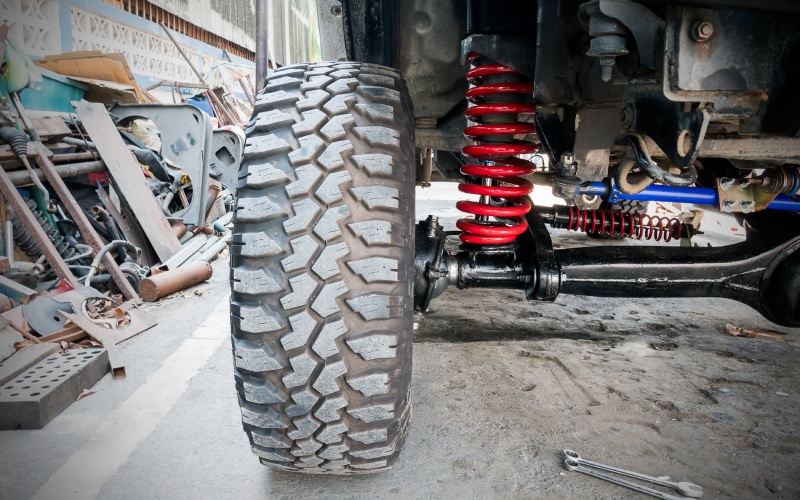
Matt Blatt Tire and Auto - Choosing the Right Tire Size After a Lift — Mullica Hill, NJ
After lifting a truck, Jeep, or SUV, the tire decision is where form and function meet the pavement. In Mullica Hill, NJ, daily driving on Route 322 and Route 45 can shift quickly from school pickups to weekend detours down county roads. That mix of needs makes tire size and construction just as important as the height of your lift. Go too large, and you risk rubbing, sluggish acceleration, and extra strain on brakes. Go too mild, and you miss the ground clearance and stance you built the lift to achieve. The best approach is a measured plan: match tire diameter and width to your wheel offset and backspacing, check clearances at full lock and compression, and balance tread aggressiveness against noise, efficiency, and wet-weather grip.
Start by defining how you use your vehicle most. If you spend the workweek running errands across town and the weekend hauling sports gear or kayaks, a hybrid all-terrain in a moderate size can deliver quiet manners, strong rain traction, and reliable shoulder lugs for gravel or grass parking areas. If you aim for sandy cut-throughs toward the Pinelands or unpaved launches, add diameter cautiously and prioritize a lighter construction to preserve steering feel and braking. For frequent towing, factor in load index and sidewall construction to handle tongue weights and occasional potholes without squirm.
- Diameter goal: Pick a target size that clears at full lock and full compression with your lift height and bump stops.
- Section width: Wider tires add grip and stance but demand proper offset/backspacing to avoid rubbing and tram-lining.
- Load rating: Match load index to towing and cargo needs for stability and longer tread life.
- Tread design: Choose all-season ATs for balanced daily use, or more open lugs if trails and sand are priorities.
- Weight matters: Heavier tires increase stopping distances and strain driveline components—lighter is often better.
Wheel specs either make or break a tire plan. Offset and backspacing control where the tire sits within the wheel well. Too little backspacing pushes the tire outward, which may look bold but can increase scrub radius and stress steering components. Too much, and the inner sidewall rubs control arms or liners. A smart match keeps scrub radius close to factory and ensures clearance at the sway bar, pinch welds, and bumper edges. If your new tire is both taller and wider, be realistic about minor trimming or liner heat-molding that preserves function and looks clean.
Then there’s gearing and speedometer accuracy. Larger diameters effectively “tall” your gearing, softening off-the-line response and potentially pushing transmission shift points. Some platforms benefit from a speedometer recalibration so your odometer and driver-assist systems read correctly. While small increases may feel fine, step-ups beyond an inch or two in diameter warrant a full plan that includes torque needs, braking, and alignment to protect tires and handling.
- Measure from the hub center to key rub points, then simulate full compression to see real clearance.
- Test lock-to-lock steering with your new wheel offset/backspacing and confirm no contact at brake lines or liners.
- Verify bump stop engagement and shock travel so the tire won’t meet fender edges under load.
- Confirm load index and speed rating meet or exceed the OEM specification for safety and insurance compliance.
- Plan a four-wheel alignment to restore caster, camber, and toe after installing the lift and tires.
Mullica Hill drivers often want a tire that feels composed during school drop-offs, confident in summer rain, and steady on weekend runs to local farms or ballfields. A modern all-terrain can check all those boxes. Look for silica-rich compounds for wet grip, stepped shoulder blocks for bite in loose surfaces, and reinforced sidewalls that resist punctures without adding excess weight. If noise is a concern on the 55-mph stretches between towns, pay attention to pitch sequencing and variable tread designs that reduce droning.
Finally, maintenance plays a huge role in how a larger tire lives with your lift. Keep pressures set for the tire’s load and speed to avoid center or shoulder wear patterns. Rotate regularly to balance any minor alignment variances that remain after a lift. And schedule a re-torque visit once your suspension has settled to ensure hardware stays to spec. A well-aligned, properly inflated set of tires will protect ride quality, braking distances, and fuel economy.
A trusted shop can help you size tires intelligently, confirm wheel specs, and align everything for smooth daily travel through Gloucester County. From minor height increases that clear 33-inch rubber to more assertive setups, the secret is a plan that pairs real-world driving with the right components. Matt Blatt Tire and Auto can walk through options, measure actual clearances, and support your build with alignment and follow-up checks.
When it’s time to choose the tire that completes your lifted look and function, think beyond diameter. Weight, tread, load index, and wheel placement all shape the way your vehicle feels on Route 322, around Heritage Vineyards, and through neighborhood streets. With a careful plan and a professional alignment, your lifted vehicle can remain easy to live with and ready for weekend fun—without unexpected rubbing, vague steering, or premature wear. For expert guidance serving Williamstown, Sewell, and Mullica Hill, bring your goals and we’ll help you match the perfect tire to your lift and lifestyle.
Frequently Asked Questions:
Will a bigger tire always require re-gearing?
Not always. Small increases (about 1 to 2 inches in diameter) usually feel fine with factory gearing. Larger jumps can soften acceleration and may benefit from re-gearing depending on engine torque and usage.
How do I know if my tire will rub?
Check clearance at full steering lock and simulate compression by removing the spring or using ramps. Focus on liners, pinch welds, sway bar links, and cab/body mounts depending on vehicle.
Are E-load tires necessary for towing?
Only if your combined vehicle and trailer demands warrant it. Match load index to your actual tongue weight and cargo. Heavier-duty tires add stability but can increase ride stiffness and weight.
What’s the ideal pressure for larger tires?
Start with the tire manufacturer’s load table for your vehicle’s axle weights, then fine-tune based on wear patterns and ride. Overinflation causes center wear; underinflation causes shoulder wear and heat.
Do I need an alignment after installing larger tires?
Yes. Even if the lift was previously aligned, different tire construction and diameter can change how toe and caster feel on the road. A fresh alignment protects drivability and tread life.
