

Matt Blatt Tire and Auto - Belts and Hoses 101 — Proactive Replacement Tips for Sewell, NJ Drivers
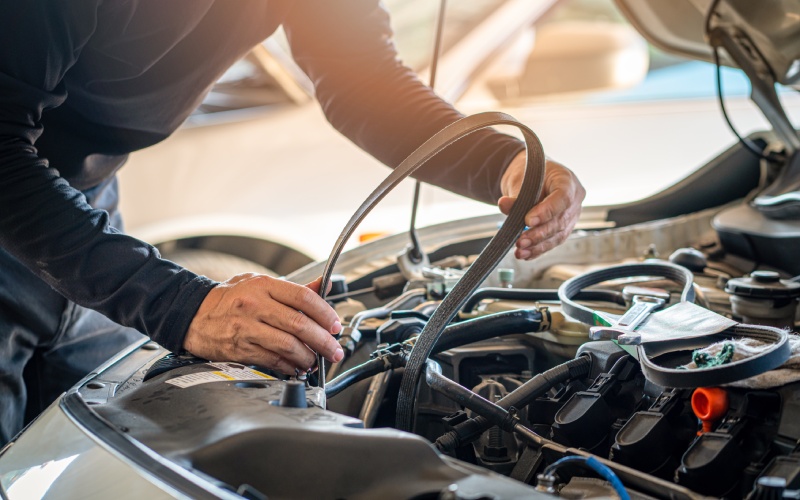
Belts and hoses may be out of sight, but they are never out of mind for a reliable vehicle. From the serpentine belt powering accessories to the radiator and heater hoses carrying coolant, these rubber components keep your engine cool, your steering light, your battery charging, and your cabin comfortable. Because they operate under heat, vibration, and chemical exposure, belts and hoses wear gradually—right up until they fail suddenly. Staying proactive saves the day: a quick inspection during routine maintenance can catch glazing on a belt, swelling near a hose clamp, or a weeping water pump before those small clues turn into an overheated engine or a drained battery on a busy afternoon in Sewell.
Understanding what each part does helps you prioritize care. The serpentine belt drives the alternator, power steering pump, water pump (on many engines), and air conditioning compressor. If it slips, you’ll hear a chirp; if it fails, you lose multiple systems at once. Timing belts, where equipped, synchronize the crankshaft and camshaft—critical timing that, if lost, can cause major internal engine damage. Hoses move coolant between the radiator, engine, heater core, and expansion tank; age hardens rubber, while oil contamination accelerates breakdown. Add in temperature swings, short-trip heat cycling, and the stop-and-go rhythm common to the Route 47 corridor, and you have the perfect recipe for incremental wear that benefits from a trained eye and timely replacement.
- Serpentine belt checks: Look for glazing (shiny ribs), cracks, frayed edges, or rubber dust; listen for chirps at start-up and under load.
- Hose inspections: Squeeze when cool—soft spots, swelling near clamps, or surface cracking indicate internal degradation and impending failure.
- Coolant system clues: Sweet smells, low reservoir levels, or colored residue near fittings suggest micro-leaks needing attention.
- Accessory performance: Dim lights, heavy steering, or weak AC at idle can point to belt slip, misalignment, or tensioner wear.
- Timing maintenance: Follow factory intervals for timing belts and related components like tensioners and water pumps where applicable.
Because symptoms overlap, diagnosis matters. A chirp might be a misaligned pulley rather than a bad belt; a coolant drip could come from a cracked plastic housing, not the hose itself. The fix should be system-wide, not piecemeal: when a serpentine belt is replaced, evaluate the tensioner and idler pulleys; when coolant hoses are renewed, pressure-test the system and verify radiator cap performance. This holistic approach prevents chasing one leak or squeal after another and restores your peace of mind on daily drives around local schools, retail hubs, and the medical corridors that serve the broader community.
Service intervals vary by platform and use. Some modern belts use EPDM compounds that resist classic cracking, so wear shows up as material loss on the ribs, not visible splits. That’s why inspecting with a rib-wear gauge and tracking mileage matters. Likewise, hoses benefit from periodic coolant exchanges that protect against corrosion and electrochemical degradation. If you frequently idle in traffic, take short trips, or tow on weekends, consider shorter inspection intervals—heat cycles accelerate rubber breakdown. For vehicles that sit, dry-out and flattening on belt ribs are real risks, so a before-season check is smart.
Planning helps you avoid urgent downtime. Bundle belt and hose service with other maintenance: rotate tires, inspect brakes, and test the battery while the engine bay is open. If a timing belt is due, consider replacing the water pump and cam/crank seals during the same service—many engines require the same disassembly, saving labor later and restoring confidence in the entire front-of-engine assembly. Ask for documentation of tensioner condition, hose clamp locations, and coolant type; these details make future troubleshooting faster and protect your warranty and resale value.
Local conditions inform choices too. In and around Sewell, faster spurts on Route 55 followed by suburban stoplights mean frequent transitions from low to higher RPM and back—prime time for a marginal belt to slip or a soft hose to bulge. Add summer heat radiating from slow traffic and winter cold starts that stiffen rubber, and you see why steady inspections pay off. Modern scan tools also help: monitoring alternator output, coolant temps, and AC pressures can flag a belt slipping or a restriction forming before you hear it or smell it.
If you want a simple at-home routine, start here: once a month, peek inside the engine bay when cool. Check the coolant reservoir level against the markings, look for residue trails near hose ends, and press the serpentine belt mid-span to feel for firmness. Listen on cold start for a brief chirp; if it persists or worsens with accessories on, schedule a check. Note any burning rubber smells or sudden changes in steering effort or cabin temperature—these are early hints to act on quickly. And keep a maintenance log; patterns over time are more telling than a single snapshot.
When it’s time to hand off the work, choose a shop that inspects the entire drive and cooling system, documents findings, and explains options clearly. One mention matters here: Matt Blatt Tire and Auto follows factory torque specs, fluid standards, and belt routing to ensure every component—tensioners, idlers, clamps—works together the way the engineer intended. With that level of care, you avoid the revolving door of noise, leak, and return visits. And with a team serving Sewell, Mullica Hill, and Deptford, help is close when you need guidance, a second opinion, or a comprehensive service plan.
Belts and hoses are small investments with big returns—quiet operation, steady steering, consistent temperatures, and a charging system you never think about because it just works. Stay proactive with regular inspections, ask for measurements and photos, and bundle related services to reset the whole system. That way, the only time you think about rubber under the hood is when you’re enjoying a quiet, confident drive, not when you’re managing an avoidable breakdown at the side of the road.
